Publisert
The Art of Italian Pasta Making
Explore dough's artistry—pasta, noodles, pancakes, and dumplings craft a delicious masterpiece.
Cameron Hayes
Signatur
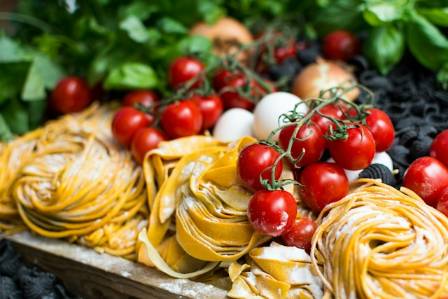
In the realm of culinary delights, pasta, once considered a humble dish, has often been overlooked in favor of more sophisticated fare. However, it's time to delve into the world of pasta, exploring the nuances of dough preparation, distinguishing between fresh and dry varieties, unraveling optimal cooking times, and understanding the water-to-pasta ratio for that perfect texture. Let's commence with a fresh pasta recipe.
Ingredients:
- 2 cups of pizza flour (250 grams) or all-purpose flour
- 2 large eggs (approximately 110 grams)
- 4 egg yolks (about 70 grams)
- Salt, to taste
Instructions:
- Combine all ingredients in a mixing bowl using a flat beater until a smooth, uniform dough is obtained. If kneading on a flat surface, create a well in a flour mound, pour egg yolks into it, and knead circularly until a uniform dough forms. Adjust with additional flour if the dough is too sticky.
- Wrap the dough in plastic wrap and let it rest for at least 30 minutes at room temperature.
- Divide the dough into four portions, rolling each to a 3-millimeter thickness using a pasta machine or rolling pin.
- Shape the dough and cook in boiling water for 2-3 minutes.
- Repeat the process with remaining dough portions.
- Serve with your preferred sauce.
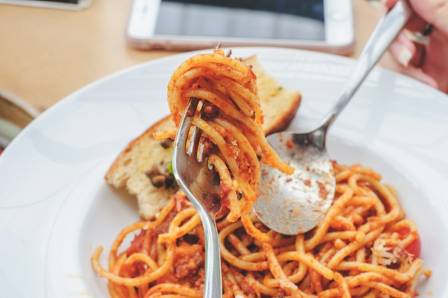
Now, a brief exploration into the scientific aspects of pasta:
Noodles made their debut over 4,000 years ago in China, finding their way into the culinary landscapes of Asia and Europe. While China and Italy embraced the culinary potential of wheat flour and water, their journeys led them on distinct paths.
In Italy, gluten-rich durum wheat paved the way for creating stable, protein-rich pasta. This pasta could be dried, stored indefinitely, and shaped into various forms, becoming a cornerstone of Italian cuisine. Italy cultivated an entire culinary industry around pasta, with diverse shapes and styles. In China, where wheat is low in gluten, culinary artisans specialized in crafting long, unadorned noodles, perfect for dipping into savory soups.
The term "pasta" in Italian translates to "dough" or "paste," reflecting its simple composition of wheat flour and water. The appeal of pasta lies in its delicate, moist texture and neutral flavor, serving as a versatile canvas for various ingredients and sauces.
The main ingredient in pasta is flour, predominantly comprising starches and proteins. Gluten proteins, specifically glutenins and gliadins, form an elastic network, imparting flexibility to the dough. The choice of flour is crucial, and semolina flour from durum wheat is favored for pasta making. Coarse milling preserves proteins' original shape and minimizes damage to starch clusters.
Fresh vs. dried pasta hinges on flour type. Dry pasta, made from semolina flour and water, undergoes high-temperature drying, resulting in a hard, brittle texture with an extended shelf life. Fresh pasta, enriched with eggs, offers a pliable, easy-to-knead dough. Egg yolks contribute color, flavor, and a silky texture, counterbalanced by the strength of egg whites, enhancing the gluten network.
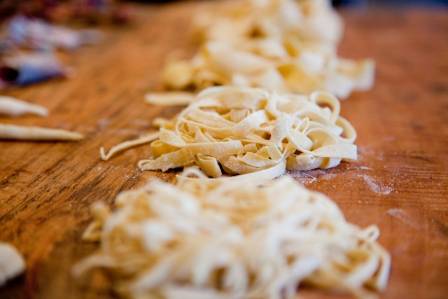
Cooking pasta involves boiling it in water, leading to starch granules' swelling and protein network expansion. The transformative process renders pasta 'al dente,' slightly chewy due to intact starch granules and a resilient protein network. The recommended water-to-pasta ratio is approximately 1:10, ensuring adequate hydration and starch dilution. Continuous boiling prevents clumping, and adding salt enhances pasta flavor.
Now equipped with insights into pasta preparation, it's time to embark on a culinary journey, creating homemade pasta and savoring the delightful interplay of flavors. Buon Appetito!
Flere anbefalte saker
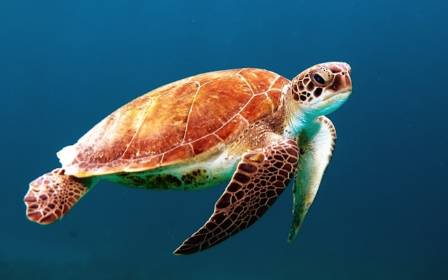
The Extraordinary World of Sea Turtles
Sea turtles are among the most mysterious and captivating residents of our oceans. Spending the vast majority of their lives in the water, these marine reptiles have been the subject of intensive scientific study for decades. While much about their lives remains hidden beneath the waves, researchers have uncovered remarkable details about their history, biology, and survival strategies.
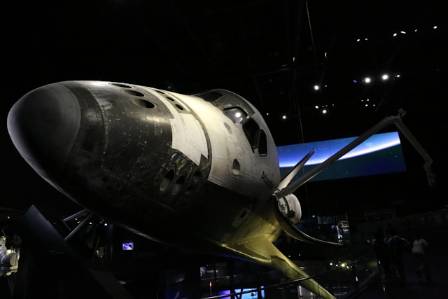
The Dawn of Human Space Exploration: The Pioneers
Humanity’s journey beyond the atmosphere began on April 12, 1961, when Soviet cosmonaut Yuri Gagarin became the first person to enter outer space. Aboard the Vostok 1 spacecraft, Gagarin completed a single orbit of the Earth during a mission that lasted 108 minutes. The craft was launched from a site originally identified as being near Baikonur, Kazakhstan, though it was later revealed the actual departure point was closer to Tyuratam to maintain strategic secrecy. Today, this historic site is known as Gagarin’s Start within the Baikonur Cosmodrome.
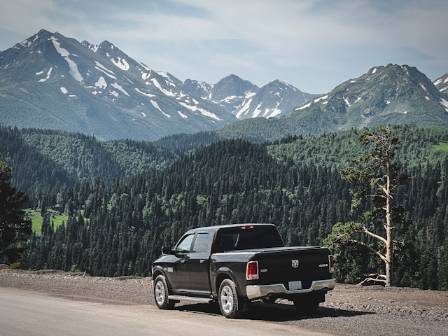
The Best Off-Road Pickup Trucks to Buy for Your Adventurous Side
These tough, factory-built trucks are ready to take on challenging terrains like rocks, dirt, sand, and rugged trails.
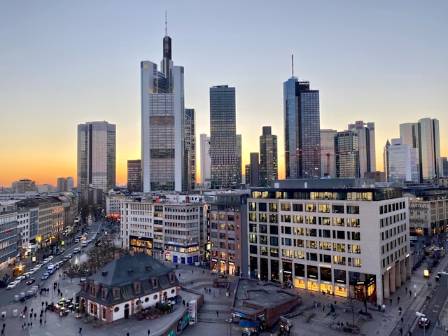
12 Fascinating Facts About Frankfurt’s Commerzbank Tower
Frankfurt am Main, sitting along the River Main in Germany’s Hesse state, boasts one of Europe’s most recognizable skylines. At the heart of its bustling financial quarter rises the Commerzbank Tower, a landmark that combines architectural brilliance with sustainable innovation. Here are twelve intriguing insights into this remarkable skyscraper.

2 Iconic Warplanes That Changed Aerial Combat
Throughout the annals of history, warfare has consistently shaped the world. As we ventured through the 20th and 21st centuries, the role of aircraft became ever more crucial, influencing battle outcomes and acting as significant deterrents against potential aggressors. The evolution of military aircraft was notably marked during World War II, with their capabilities rapidly expanding during the Cold War and beyond. Here, we spotlight some of the most renowned warplanes that left an indelible mark on aviation and military history.

Most Famous Winter Paintings
Winter is among the most enchanting seasons of the year. For those living in colder regions, it brings the delights of snow, ice skating, crackling fireplaces, and other seasonal pleasures.
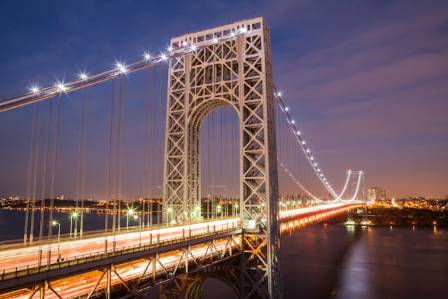
12 Fascinating Facts About the George Washington Bridge
The bridge links sites rich in Revolutionary War history: on one side, the Manhattan side near Fort Washington, and on the other, Fort Lee in New Jersey. Prior to his famed crossing of the Delaware, George Washington had earlier fled the area after an unsuccessful campaign, falling back from Whit e Plains. A few days later Fort Lee would also come under British control.

Comprehensive Guide: How to Select the Perfect Sunglasses
Choosing the right sunglasses is a blend of optical necessity and personal expression. Beyond shielding your eyes from UV rays, the ideal pair should harmonize with your physical features and integrate seamlessly into your daily life. This guide redefines the selection process by focusing on the core pillars of fit: facial geometry, color theory, and functional utility. By the end, you will have a clear blueprint for finding frames that offer both confidence and comfort.

Top 10 Vintage Cars Every Enthusiast Should Know
Top 10 Vintage Cars Every Enthusiast Should Know
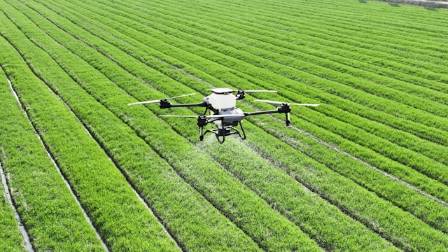
Drone Spraying in Agriculture
Agriculture is undergoing a major shift, driven by drone-based spraying systems that are reshaping how crops are managed. This modern approach is redefining farm operations by delivering higher accuracy, improved efficiency, and better environmental outcomes.