Publisert
The First Spark in a Lab
The history of modern civilization is impossible to tell without the story of electric light. From Thomas Edison’s early experiments in a New Jersey lab to the highly efficient LEDs that illuminate our world today, the journey of lighting technology is not just about invention—it’s about transformation. A single spark in a lab more than a century ago marked the beginning of a new era. This article explores how that first spark led us from dim filaments to the glowing future of LED lighting.
Daniel Whitmore
Signatur

The history of modern civilization is impossible to tell without the story of electric light. From Thomas Edison’s early experiments in a New Jersey lab to the highly efficient LEDs that illuminate our world today, the journey of lighting technology is not just about invention—it’s about transformation. A single spark in a lab more than a century ago marked the beginning of a new era. This article explores how that first spark led us from dim filaments to the glowing future of LED lighting.
Edison’s Breakthrough: More Than a Lightbulb
When Thomas Edison and his team at Menlo Park created a practical incandescent lightbulb in 1879, they weren’t the first to try. Earlier inventors like Humphry Davy and Joseph Swan had developed similar concepts. But Edison’s key contribution was making a bulb that could last long enough to be commercially viable—over 1,200 hours using carbonized bamboo filament.
More importantly, Edison didn’t stop at the bulb. He designed an entire electric lighting system, including generators, wiring, and switches. This ecosystem allowed electricity to become part of everyday life, beginning with the Pearl Street Station in New York City in 1882.
The Glow Evolves: From Filament to Fluorescence
After Edison, innovation continued. The early 20th century saw the rise of fluorescent lighting, which used mercury vapor and phosphor coating to produce light more efficiently than incandescent bulbs. These became common in offices and industrial buildings.
Compact fluorescent lamps (CFLs) followed in the late 20th century, offering higher efficiency and longer lifespans for home users. Still, they had drawbacks: warm-up time, toxic materials, and sometimes unpleasant light quality.

LEDs: Lighting the Digital Age
The invention of the light-emitting diode (LED) in the 1960s was a scientific milestone, but it took decades for LEDs to become viable for general lighting. By the early 2000s, advancements in materials and design allowed LEDs to become mainstream.
LEDs use semiconductors to emit light directly when electrified, making them far more energy-efficient and durable than traditional bulbs. They are now used in homes, offices, vehicles, screens, and even streetlights—transforming the visual landscape of cities and homes alike.

More Than Illumination: A Symbol of Innovation
The lightbulb has become a universal icon of ideas and innovation. That’s fitting, considering how it represents the power of persistence, experimentation, and vision. Edison’s lab spark didn’t just light up rooms—it lit the path forward for countless other breakthroughs.
From the warm glow of a filament to the cool clarity of LEDs, the evolution of light technology tells a bigger story: one of human progress driven by science, creativity, and an unwavering desire to improve life.
Flere anbefalte saker

The Most Colorful Companions: Popular Orange and White Cat Breeds
Orange-and-white cats charm many households with their warm hues and distinctive personalities. This overview highlights several beloved breeds known for their orange and white coloration, plus a quick snapshot of their size, temperament, coat, and life expectancy. Whether you’re seeking a laid-back lap cat or an energetic little explorer, these fluffballs offer a range of charms.
Fascinating Facts About Oil Painting
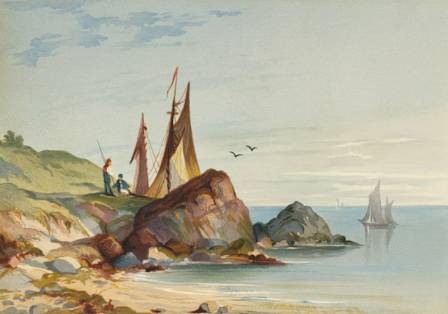
Most of the world’s iconic art masterpieces were created using oil paints—pigments blended with drying oils, most commonly linseed oil. During your oil painting lessons, you might encounter a variety of oil paints, each favored differently by artists. Ultimately, though, the magic comes from the artist’s skill, not just the materials.

Whispers of the Cosmos
On clear nights, when the sky is a canvas of stars, a fleeting streak of light may catch your eye. These are shooting stars, or meteors, and though they blaze across the sky in silence, they carry tales from the cosmos. Each flash is a brief messenger from the universe, sharing stories of cosmic events, ancient origins, and the intricate dance of celestial bodies.

7 Fascinating Facts About Turtle Shells
Turtle shells represent one of nature's most remarkable evolutionary adaptations, serving as both protective armor and integrated skeletal structure. These unique anatomical features have fascinated scientists and nature enthusiasts for centuries.
The Art of Paper Cutting
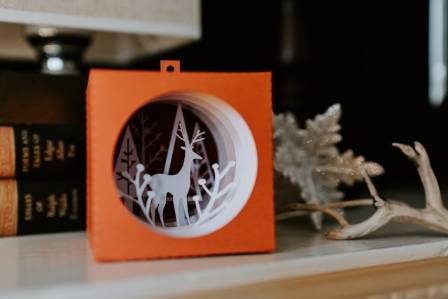
Paper cutting is a detailed and enchanting craft that has existed for centuries in many parts of the world. Through careful precision and imaginative design, ordinary sheets of paper are transformed into striking works of art. Whether you’re an experienced creator or someone looking to try a new hobby, this guide will introduce you to the essentials of paper cutting and help you tap into your creative potential.
The World’s Best Big Wall Climbs (Atlas & Boots)
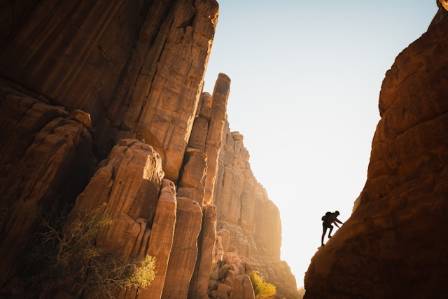
Big wall climbing represents one of the most demanding and rewarding forms of rock climbing. Unlike short sport routes, big walls are towering cliff faces that can take climbers multiple days to scale, often requiring overnight stays on the wall itself using portaledges (hanging tents). The article highlights some of the most iconic and beautiful big walls around the world — testing both endurance and skill.
The Windmill in European Art (1500-1850): A Journey Through Time and Landscape
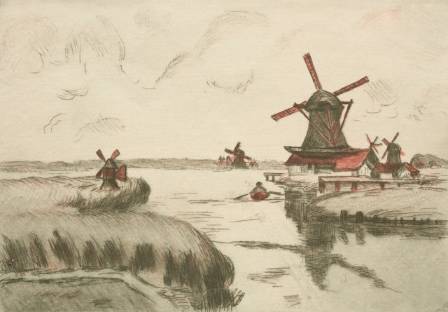
For over six centuries, windmills have been a distinctive feature of European landscapes and a popular subject in art. From their twelfth-century origins to their peak in the mid-nineteenth century, these towering structures captured the imagination of artists across the continent. This article explores how windmills were depicted in European art from 1500-1850, examining their technical evolution, cultural significance, and artistic representation.

How to Develop Creative Designing Skills: A Comprehensive Guide for Aspiring Designers
Creative designing is far more than just aesthetic appeal—it is a powerful blend of creativity, problem-solving, and visual storytelling that transforms ideas into impactful solutions. In an era where visual communication dominates every industry—from marketing and technology to education and healthcare—mastering creative designing skills has become a non-negotiable asset for anyone aiming to thrive as a graphic designer, web designer, UI/UX specialist, or branding expert. These skills enable professionals to craft designs that not only catch the eye but also resonate with audiences, drive action, and solve real-world problems. For aspiring designers, structured programs like the Bachelor of Design (B.Des) and Master of Design (M.Des) offered by the UPES School of Design serve as a strategic launchpad, equipping learners with the technical expertise, creative mindset, and industry exposure needed to stand out in a competitive landscape. This guide delves into the importance of design skills, outlines essential competencies, provides actionable steps to refine your craft, and highlights how to showcase your expertise—all to help you build a successful career in design.

6 Majestic Snow Mountains You Must See in China
China is home to some of the world's most awe-inspiring snow-capped peaks, many of which are found in high-altitude regions like Tibet, Sichuan, Xinjiang, and Yunnan. These mountains are not just beautiful; they are revered as holy sites and offer incredible opportunities for hiking, photography, and exploration. Here are six of the most stunning snow mountains in China that should be on any adventurer’s list.

Top 8 Most Scenic Roads in the World
For those seeking adventure and unparalleled natural beauty, nothing beats a scenic road trip. From coastal cliffs to towering mountains and serene lakes, these routes offer some of the most spectacular views you can experience on four wheels. Here are eight of the world’s most breathtaking drives, each offering a unique journey through nature’s wonders.