Publisert
Burj Khalifa: Touching the Sky with Architectural Grandeur
Over the last two decades, the field of architecture and structural engineering has witnessed a remarkable ascent, giving rise to towering skyscrapers that now grace the skylines of major global cities. Yet, claiming the title of the world's tallest building elevates a structure to an unparalleled status.
William James
Signatur
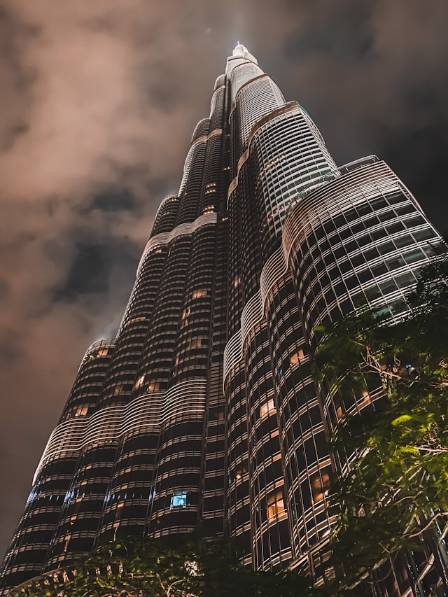
Over the last two decades, the field of architecture and structural engineering has witnessed a remarkable ascent, giving rise to towering skyscrapers that now grace the skylines of major global cities. Yet, claiming the title of the world's tallest building elevates a structure to an unparalleled status.
In March 1996, the Petronas Towers in Kuala Lumpur, Malaysia, surpassed the Sears Tower's record as the world's tallest office building. With stainless steel pinnacles adorning the 88-storey towers, their height reached an impressive 451.9 meters (1,482 feet 8 inches). However, in 2003, Taiwan's Taipei 101, soaring at an immense 508 meters (1,666 feet), seized the title. Just a year later, the construction of Burj Khalifa commenced.
Part of the groundbreaking Downtown Dubai development, this architectural marvel was envisioned near Dubai's main business district in the UAE, covering a vast 2 square kilometers (490 acres). Developed by Emaar Properties and designed by the renowned Skidmore, Owings & Merrill LLP, led by the esteemed American architect Adrian Smith, Burj Khalifa emerged as an iconic symbol of the modern world, stretching a breathtaking 828 meters (2,716 feet 6 inches) into the sky.
Design and Construction: A Monumental Undertaking

Ahmed Al Falasi, Executive Director of Burj Khalifa, expressed the challenge faced during the tower's conception: "We're born with a challenge. A challenge to prove to ourselves first, and to the world, 'Yes, we can.'" Originally intended to stand at 518 meters tall, the Burj's design expanded by a staggering 310 meters, equivalent to the height of the Eiffel Tower.
Construction initiated on September 21, 2004, with the exterior completed on October 1, 2009. The neo-Futurist-style Burj Khalifa, designed with a complex Y-shaped cross-section, aimed to mitigate the impact of wind on such a towering structure. The construction involved over 12,000 people worldwide, with 26,000 hand-cut glass panels used in the exterior cladding. The building, featuring residential, office, and hotel spaces, takes three months to be cleaned from top to bottom.
A Towering Achievement: Records and Recognition
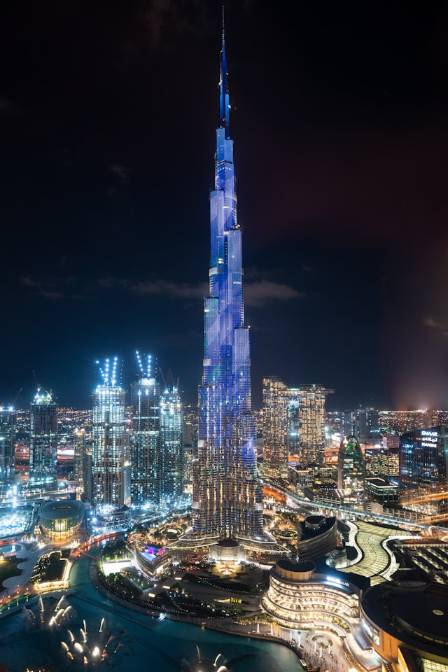
Burj Khalifa officially opened on January 4, 2010, securing certification as the world's tallest building. Talal Omar, Country Manager of UAE, Guinness World Records, hailed its unique design, marking its impressive stature. Surpassing the Empire State Building's height twice over and towering nearly three times higher than the Eiffel Tower, the Burj set several records ratified by Guinness World Records.
Among its achievements are the Tallest elevator in a building (504 meters; 1,654 feet), the Most floors in a building (163), and the Highest restaurant from ground level (441.3 meters; 1,447 feet 10 inches). The observation deck, standing at 555.7 meters (1,823 feet 1.9 inches), was once the world's highest until China's Shanghai Tower surpassed it in 2015.
Notably, on New Year's Eve 2015, the Burj Khalifa hosted a spectacular fireworks display, setting a record for the Highest fireworks on a building. Additionally, it witnessed other record attempts, including the Highest BASE jump from a building and the Fastest time to climb the Burj Khalifa by bicycle (2 hours, 20 minutes, and 38 seconds). Burj Khalifa stands not only as a structural triumph but also as a testament to human innovation and determination.
Flere anbefalte saker

Orange Tabby Cat: Fascinating Facts About Personality, Traits, and Care
Contrary to popular belief, “tabby” does not refer to a specific cat breed—it describes a unique coat pattern, similar to how brindle markings appear across various dog breeds. Many cat breeds, including Persians, American Bobtails, Munchkins, Abyssinians, and Maine Coons, can exhibit the orange tabby coloration. This vibrant hue stems from high concentrations of pheomelanin, the same pigment responsible for red hair in humans. Beyond their striking appearance, orange tabbies boast distinct behaviors, health traits, and personalities that make them beloved among cat owners worldwide.
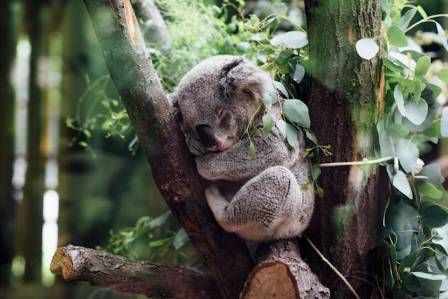
Koalas: Icons of Australia’s Bush—Biology, Threats, and the Fight to Save Them
With their fluffy grey fur, large round ears, and endearing habit of clinging to eucalyptus trees, koalas (Phascolarctos cinereus) have captured the hearts of people worldwide, becoming one of Australia’s most iconic wildlife symbols. These gentle marsupials draw millions of tourists to the continent each year, their presence synonymous with the rugged beauty of Australia’s bushland. Yet behind their cuddly appearance lies a species grappling with unprecedented threats: habitat loss, climate change, disease, and human-wildlife conflict have pushed koalas to the brink of crisis. In 2025, the IUCN Red List classifies them as Vulnerable, while they are listed as Endangered in Queensland, New South Wales, and the Australian Capital Territory under national law. The International Fund for Animal Welfare (IFAW) and its partners have been at the forefront of efforts to protect koalas, from rehabilitating injured individuals to restoring their habitats and advocating for stronger conservation policies. This exploration delves into the fascinating biology of koalas—dispelling myths, uncovering their unique adaptations—and examines the urgent challenges they face, as well as the collective action needed to ensure their survival for generations to come.
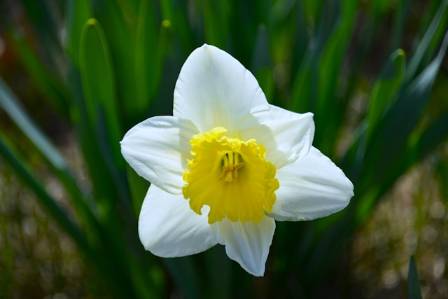
Narcissus: The Daffodil
The daffodil, belonging to the Narcissus genus, originally comes from Europe and northern Africa. Over time, these flowers have spread into various climates and habitats worldwide. Today, they can be found in many public gardens and private yards. Interestingly, clusters of daffodils sometimes mark former homestead locations, appearing along roadsides or in wooded areas. Despite their current popularity, daffodils only became widely appreciated as garden plants in the late 19th century, long after tulips had dominated the gardening scene.

10 Creative Ways to Use Strawberry Tops
Don’t toss those strawberry tops in the trash just yet—these leafy bits are surprisingly versatile. Instead of wasting them, try one of these clever ways to give strawberry tops a second life, both in the kitchen and beyond.
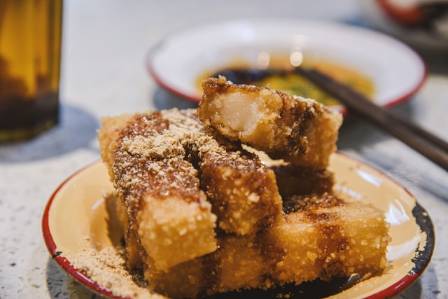
A Journey Through Classic Chinese Desserts
Chinese desserts encompass a vast array of techniques, flavors, and culinary traditions that have developed over many years.

The Extraordinary World of Sea Turtles
Sea turtles are among the most mysterious and captivating residents of our oceans. Spending the vast majority of their lives in the water, these marine reptiles have been the subject of intensive scientific study for decades. While much about their lives remains hidden beneath the waves, researchers have uncovered remarkable details about their history, biology, and survival strategies.

Advanced Autonomous Mobile Robots for Intelligent Monitoring and Logistics
For over a decade, our mission has been to assist organizations in achieving their branding and financial objectives through value-driven technological innovation. In modern industrial settings, efficiency is defined by the ability to move more while minimizing waste and scaling operations rapidly. By replacing traditional manual equipment like forklifts and carts with fully autonomous systems, facilities can achieve a higher standard of material movement. These intelligent robots utilize dynamic navigation to reroute instantly when environmental conditions shift, ensuring human-safe operation through continuous obstacle detection and sophisticated avoidance protocols.

A Beginner's Guide to Watercolor Flowers
Painting delicate watercolor flowers is something many beginners aspire to—but when you actually begin, it can feel a bit intimidating. Where should you start? How do you blend colors smoothly? And why do your flowers sometimes look more like random shapes than petals? If this sounds familiar, don’t worry—you’re definitely not alone.

Evolution of the Mercedes-Benz G-Wagon: A Timeless Off-Road Icon
The concept of the Mercedes-Benz Geländewagen, or "cross-country vehicle," was born in the early 1970s with a clear purpose in mind - to craft an all-wheel-drive vehicle that was not only rugged and capable but also comfortable for both off-road adventures and everyday use. This vehicle was envisioned to shine not only on the battlefield but also as a reliable mode of transport for everything from skiers heading to their alpine lodges to farmers tending their Riesling vineyards. As we delve into the fascinating history of the G-Wagon, it becomes evident that this unique blend of practicality and butch, rectilinear aesthetics would ultimately transform it into an enduring status symbol, favored by urban celebrities, socialite mothers, and weekend surfers alike.

How to Develop Creative Designing Skills: A Comprehensive Guide for Aspiring Designers
Creative designing is far more than just aesthetic appeal—it is a powerful blend of creativity, problem-solving, and visual storytelling that transforms ideas into impactful solutions. In an era where visual communication dominates every industry—from marketing and technology to education and healthcare—mastering creative designing skills has become a non-negotiable asset for anyone aiming to thrive as a graphic designer, web designer, UI/UX specialist, or branding expert. These skills enable professionals to craft designs that not only catch the eye but also resonate with audiences, drive action, and solve real-world problems. For aspiring designers, structured programs like the Bachelor of Design (B.Des) and Master of Design (M.Des) offered by the UPES School of Design serve as a strategic launchpad, equipping learners with the technical expertise, creative mindset, and industry exposure needed to stand out in a competitive landscape. This guide delves into the importance of design skills, outlines essential competencies, provides actionable steps to refine your craft, and highlights how to showcase your expertise—all to help you build a successful career in design.