Publisert
7 Smart Ways to Feel Safer When Camping at Night
Sleeping outdoors can be a refreshing escape, but for those unaccustomed to the sounds and shadows of nature, nighttime can feel more unsettling than peaceful. Whether you're in a forest, beachside, or a mountain campsite like El Capitan or Lake Arrowhead, feeling secure is essential for restful sleep. Here are seven practical strategies to help you feel safer after dark while camping.
Ashton
Signatur
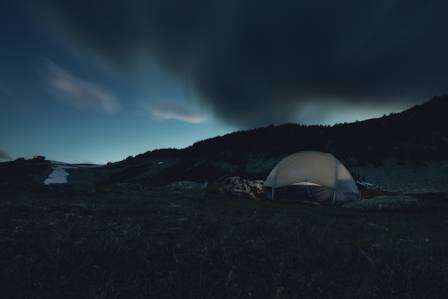
Sleeping outdoors can be a refreshing escape, but for those unaccustomed to the sounds and shadows of nature, nighttime can feel more unsettling than peaceful. Whether you're in a forest, beachside, or a mountain campsite like El Capitan or Lake Arrowhead, feeling secure is essential for restful sleep. Here are seven practical strategies to help you feel safer after dark while camping.
Set Up a Tent Shelter
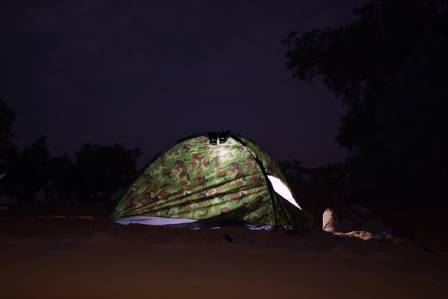
If you're not used to sleeping under the stars, a tent provides crucial psychological and physical security. It creates a defined, enclosed space—complete with floor, roof, and mesh walls—that protects you from insects, small critters, and unexpected weather. With repeated use, your tent becomes a familiar space where your body feels relaxed and safe. Choose models with full coverage or footprint options depending on the terrain.
Illuminate Your Camp Area
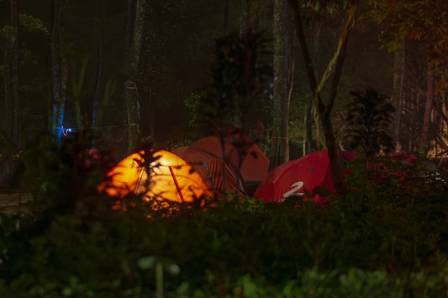
Lighting goes a long way in easing nighttime nerves. USB-powered string lights or Edison-style bulbs can softly illuminate your tent’s perimeter, helping you feel less exposed. A dim lantern inside can serve as a nightlight without disrupting sleep. Before bed, use a high-powered headlamp—like a Black Diamond with spotlight mode—to scan your surroundings. Being able to see your environment eliminates fear of the unknown.
Power Essentials for Peace of Mind
Reliable power is key for lighting, phone charging, or running small comforts like fans or white noise apps. For short trips, a portable battery like the Anker PowerCore 26800 does the job well. For longer stays, consider a solar-charged battery bank to keep your electronics running. Consistent power ensures you’re never left in the dark, literally or figuratively.
Choose a Strategic Tent Location
Don’t pitch your tent randomly. Find a flat, open area with a view of your surroundings from inside the tent. Position one side toward thick brush to discourage animal entry while keeping the door facing open terrain. Animals prefer easy paths and are less likely to approach from dense foliage. This strategic setup also helps you respond quickly if something does approach.
Optimize Sleep Comfort
Comfort plays a major role in how secure you feel. Set your tent on the most level ground possible, with your head elevated. Car campers may prefer a foam-topped air mattress, while hikers can use lightweight foam pads. Small upgrades like these mimic the comfort of home and help your body relax completely.
Replicate Your Bedtime Routine
Bring small comforts from home to settle your nerves. A portable fan or a phone playing white noise can recreate your bedroom environment. Apps with fan sounds or familiar podcasts are useful when internet is unavailable. Just ensure you have enough battery to last the night.
Conclusion
Feeling safe when camping at night is less about eliminating all risks and more about minimizing discomfort and uncertainty. By securing your shelter, lighting your space, powering essential tools, and bringing familiar comforts, you can sleep soundly under the stars—and wake up ready for the adventure ahead.
Flere anbefalte saker
Most Famous Winter Paintings
Winter is among the most enchanting seasons of the year. For those living in colder regions, it brings the delights of snow, ice skating, crackling fireplaces, and other seasonal pleasures.
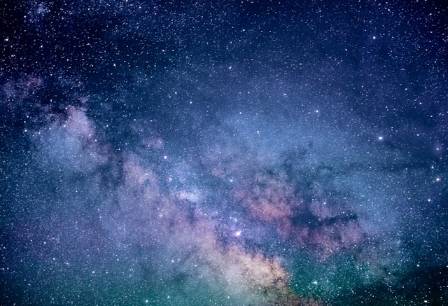
An In-Depth Guide to the Wonders of Outer Space
The cosmos offers a vast and captivating array of scientific, historical, and cultural phenomena. From the swirling gases of distant galaxies to the rocky surfaces of our neighboring planets, the universe is filled with objects that challenge our understanding of physics and time. By studying the latest astronomical discoveries and examining the structure of our solar system, we gain a clearer perspective on the celestial environment that surrounds our world.
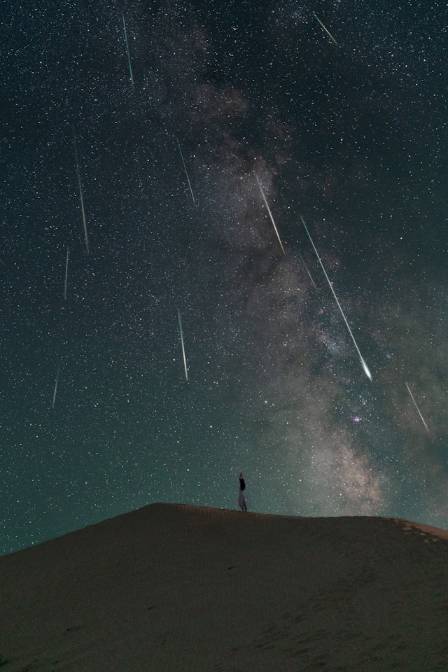
Whispers of the Cosmos
On clear nights, when the sky is a canvas of stars, a fleeting streak of light may catch your eye. These are shooting stars, or meteors, and though they blaze across the sky in silence, they carry tales from the cosmos. Each flash is a brief messenger from the universe, sharing stories of cosmic events, ancient origins, and the intricate dance of celestial bodies.
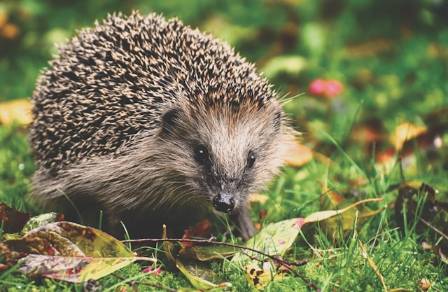
Understanding the Hedgehog: Nature’s Defensive Mammal
Hedgehogs are members of the Erinaceidae family and belong to the genus Erinaceus. Classified as mammals, these creatures generally live for about seven years in their natural environment and can grow to weigh up to 1.1kg. Their bodies typically measure between 14cm and 30cm in length, and they are capable of moving in quick bursts at speeds of 9.5km/h. These animals primarily inhabit woodlands, meadows, grasslands, and hedgerows across Africa, Asia, and Europe.
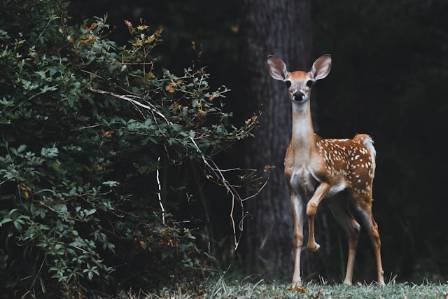
9 Most Elegant Deer Species
Marvel at the stunning allure of deer species as we delve into their captivating aesthetics, each embodying a unique charm that captivates the senses. By exploring their visual appeal, we uncover the intricate details and distinct characteristics that set them apart, inviting a deeper appreciation for the diversity of wildlife.

A Beginner's Guide to Watercolor Flowers
Painting delicate watercolor flowers is something many beginners aspire to—but when you actually begin, it can feel a bit intimidating. Where should you start? How do you blend colors smoothly? And why do your flowers sometimes look more like random shapes than petals? If this sounds familiar, don’t worry—you’re definitely not alone.
Winter Wonderland Destinations
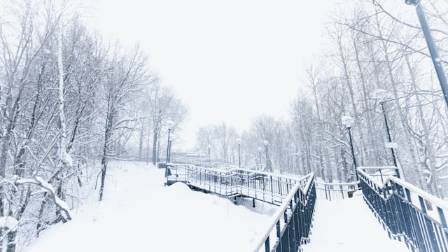
Some places transform into magical landscapes when winter arrives, turning into true winter wonderlands. These destinations, draped in snow or iced with frost, showcase the beauty of the colder months. Here are a few of the most breathtaking winter locations from around the world.
Large-Scale Living Murals: The Sustainable Beauty of Rice Paddy Art
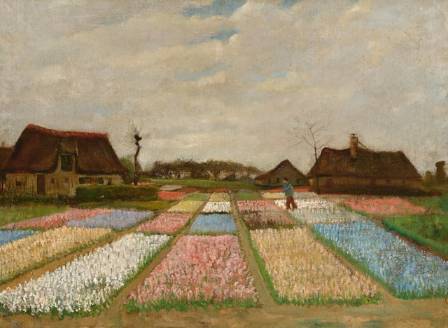
Agricultural artistry, famously known in Japan as tanbo art, involves the meticulous planting of various colored rice strains to produce massive, intricate images within farmland. While roots of this practice can be traced back to the Edo period (1603–1868), it saw a significant resurgence and surge in global popularity during the 20th century. This unique intersection of farming and creativity serves as a vivid tribute to the natural world.

Fundamentals of Paper Sculpture: A Guide to Origami Animals
Origami, the traditional Japanese practice of transforming paper through folding, has evolved into a globally cherished hobby suitable for enthusiasts of all ages. While certain designs involve high levels of complexity, the craft offers numerous accessible entry points for those just beginning their journey. With nothing more than a perfectly square sheet of paper, you can produce charming representations of cats, frogs, and foxes.
Iconic Photography Spots: A Guide to London’s Famous Red Phone Boxes
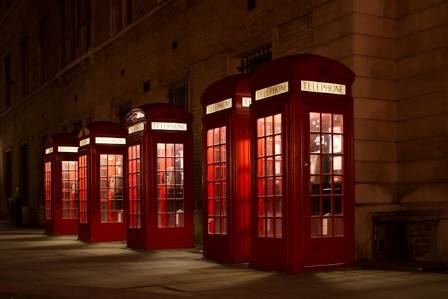
The crimson telephone kiosk is an enduring symbol of British culture and a must-have backdrop for any traveler visiting the United Kingdom’s capital. While these structures were once ubiquitous across the country, their numbers have dwindled in the digital age, making the remaining classic models highly sought-after locations for photography.