Publisert
Fundamentals of Paper Sculpture: A Guide to Origami Animals
Origami, the traditional Japanese practice of transforming paper through folding, has evolved into a globally cherished hobby suitable for enthusiasts of all ages. While certain designs involve high levels of complexity, the craft offers numerous accessible entry points for those just beginning their journey. With nothing more than a perfectly square sheet of paper, you can produce charming representations of cats, frogs, and foxes.
Edward Bradford
Signatur
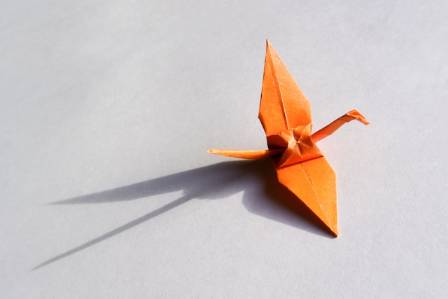
Origami, the traditional Japanese practice of transforming paper through folding, has evolved into a globally cherished hobby suitable for enthusiasts of all ages. While certain designs involve high levels of complexity, the craft offers numerous accessible entry points for those just beginning their journey. With nothing more than a perfectly square sheet of paper, you can produce charming representations of cats, frogs, and foxes.
Essential Preparations for Paper Folding
The success of any origami project depends on the geometry of the starting material. You must use a sheet where all four sides are exactly equal in length. While specialized, thin origami paper is recommended for beginners because it holds creases well and is easy to manipulate, standard printer paper can be used if trimmed into a square.
To achieve professional results, perform your folds on a hard, flat surface. Use your fingernails or a straight edge to sharpen every crease; well-defined lines ensure the model remains structurally sound and visually precise. If your paper features a pattern on only one side, begin with the decorated side facing away from you to ensure the color appears on the exterior of the finished animal.
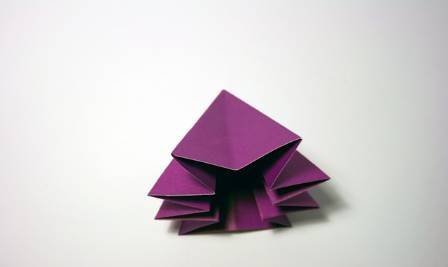
Constructing a Paper Cat
The origami cat is a fundamental project that focuses on symmetry and basic triangular folds.
-
The Initial Base: Position your square like a diamond. Bring the bottom corner up to the top to form a large triangle and crease it firmly. Fold this triangle in half again by bringing the left corner to the right, then immediately unfold that second step to leave a vertical guide line down the center.
-
Forming the Features: To create the ears, fold the left and right corners upward at a $45^\circ$ angle. The points should extend slightly past the top edge of the central triangle. Aim for symmetry to ensure the head looks balanced.
-
Defining the Head: Fold the top center peak downward about one-third of the way. This flattens the top of the head and determines the final ear size.
-
Finishing Touches: Flip the model over to reveal the face. You can tuck the side corners and the chin corner backward to round out the cat's features. Use markers to add whiskers, eyes, and a nose for a personalized finish.
Making a Jumping Paper Frog
This model introduces the "pleat fold," which gives the frog its unique ability to spring into the air.
-
Creating the Guide Lines: Fold the square across both diagonals and vertically down the center, unfolding after each step. These intersecting lines allow the paper to collapse into a "waterbomb base"—a layered triangle.
-
Structuring the Body: With the triangle facing you, fold the top flaps of the bottom corners up toward the peak. This creates a diamond shape in the center. Fold the outer edges of this diamond inward toward the center line to form a kite shape.
-
Legs and Animation: Turn the paper over and fold the outer corners into the center so they meet. Fold these same corners back outward slightly to form the hind legs. To enable the jumping mechanic, fold the bottom third of the frog upward toward the head, then fold the leg section back down on itself, creating a small accordion-like pleat. Pressing and releasing this pleat allows the frog to hop.
Crafting a Paper Fox
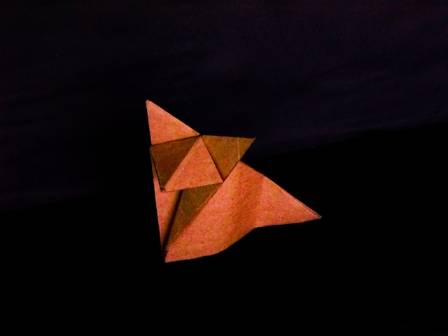
The fox is an elegant model that utilizes layered folds to create a three-dimensional standing figure.
-
Base Geometry: Fold your square diagonally to create a triangle. Fold both bottom corners up to meet the top peak, transforming the triangle into a smaller square composed of several flaps.
-
Folding the Profile: Fold the entire square in half backward along the center vertical line. You will be left with a right-angled triangle featuring three distinct layers of paper on one side.
-
Defining the Silhouette: Take the layered side and fold it about one-third of the way across the body.
-
The Head Reveal: Carefully reach into the center flap of the section you just folded and pull it open. As you flatten this middle flap, a triangular face will form. The remaining two flaps on either side serve as the ears and the tail. This structure allows the fox to stand independently on a flat surface.
Would you like me to find instructions for creating a paper crane or a traditional flapping bird to add to your collection?
Flere anbefalte saker
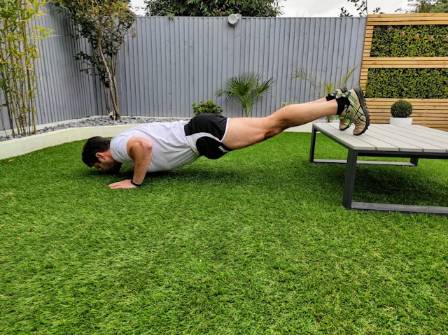
The Push-Up: Fitness’s Most Underrated Exercise
Push-ups are often the go-to move for showing off physical strength, whether on TV or in movies. In Top Gun: Maverick, pilots perform hundreds of push-ups under the blazing sun, while Demi Moore amazed audiences in GI Jane with one-armed push-ups — a feat she even demonstrated on live television. Michelle Obama and Ellen DeGeneres once competed to see who could do more push-ups, with Obama emerging victorious. Despite these high-profile examples, many people might wonder if push-ups are truly as effective as they seem. Fitness experts say they absolutely are. Dr. Andrew Jagim, director of sports medicine research at the Mayo Clinic Health System, describes push-ups as one of the most undervalued exercises. Because they appear simple, they are often overlooked, yet when performed regularly, push-ups can significantly improve upper body strength, posture, core stability, and overall athletic performance. Trainer Mark Bohannon notes that how a person performs a push-up can reveal a great deal about their general movement quality. In addition to being highly informative, push-ups require no equipment and can be performed almost anywhere.

High-End Lighting Design: A Six-Step Guide to Refurbishing Thrifted Lamps
Creating a luxury home aesthetic doesn't require a designer budget. Many high-end retailers offer stunning terracotta and stone-textured lamps that carry significant price tags, but these looks can be replicated with a bit of creativity and a thrift store find. By selecting a base with a pleasing silhouette and applying a few specific DIY techniques, you can transform a secondhand item into a sophisticated piece of home decor.

9 Most Elegant Deer Species
Marvel at the stunning allure of deer species as we delve into their captivating aesthetics, each embodying a unique charm that captivates the senses. By exploring their visual appeal, we uncover the intricate details and distinct characteristics that set them apart, inviting a deeper appreciation for the diversity of wildlife.
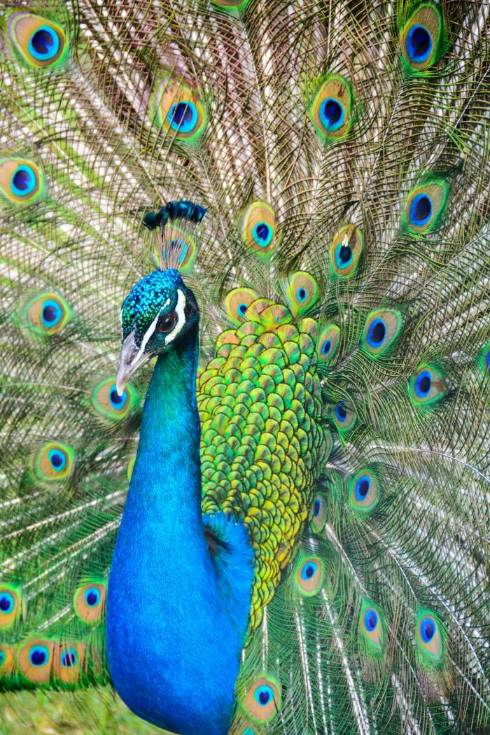
The Rejuvenation of the Peacock: A Tale of Shimmering Splendor
A peacock without its resplendent tail feathers is akin to a king stripped of his crown, a tiger bereft of its stripes, a cowboy lacking his trusty boots. Within the realm of the avian world, the male of the peafowl species, the illustrious peacock, embodies notions of beauty, regality, and pride. Like many of their male avian counterparts, peacocks boast appearances that outshine the demure peahens. These proud birds flaunt their iconic plumage to captivate potential mates.

Comprehensive Guide to Designing Your Perfect Home Coffee Station
Creating a dedicated nook for your morning brew can transform your kitchen into a sanctuary for caffeine enthusiasts. Whether you are an aspiring home barista or simply enjoy a quiet cup of joe, a well-organized coffee bar adds both function and style to your home. Following a major kitchen renovation, I have finally established a permanent coffee area that balances aesthetic appeal with practical utility.
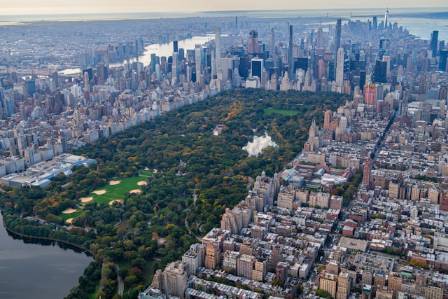
The 2025 Ranking: Top 10 Global Wealth Capitals
Topping the list, the "financial capital of the world" is home to over 340,000 HNWIs and holds more than $3 trillion in private wealth. Anchored by Wall Street and a relentless real estate market, its status is unassailable.

Cricket Strategy & Tactics: Mastering the Game’s Mental Chess
Cricket is often hailed as a “gentleman’s game,” but beneath its polite exterior lies a fiercely strategic battle of wits, where every decision—from pitch selection to a single delivery—can alter the course of a match. Unlike sports driven solely by athleticism, cricket demands a blend of physical skill, tactical foresight, and adaptability, making it as much a mental contest as a physical one. Whether you’re a player aiming to elevate your team’s performance, a coach crafting game plans, or a fan seeking to deepen your understanding, this guide breaks down the core strategies and tactics that separate good teams from championship-caliber ones. From bowling variations to batting order dynamics, field placements to match situation adaptability, we’ll explore how to outthink opponents, exploit weaknesses, and execute game-winning moves across all formats—Test, One-Day International (ODI), and T20.

7 Delightfully Endearing Qualities That Men Appreciate in Women
If your friends often describe you as innocent, don't perceive it as an insult. You don't have to be a wild partygoer to capture a man's attention. In fact, many men find innocence incredibly appealing in a woman. Here are seven charmingly endearing traits that most men admire in women.
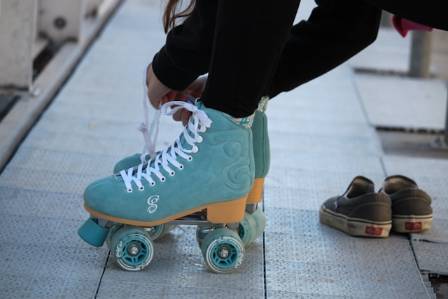
10 Reasons Why You Should Start Roller Skating Today
If you’ve never tried roller skating before, there’s never been a better time to give it a go. Beyond the thrill of cruising on wheels and the wind brushing against your face, roller skating offers a wide range of benefits that go far beyond simple enjoyment. Whether you're searching for a new fitness outlet, a way to relax, or a fresh way to socialize, roller skating ticks all the boxes. Here are ten compelling reasons to lace up your skates and roll into a new adventure:

Broadway Tower: A Timeless Folly of the Cotswolds
Nestled atop Broadway Hill—an elevated vantage point within the rolling, honey-stoned landscape of the Cotswolds—Broadway Tower stands as one of England’s most iconic and intriguing architectural landmarks. Located in the village of Broadway, Worcestershire, within the United Kingdom, this structure is more than just a tower; it is a “folly” — a term in architecture that describes buildings primarily constructed for decorative or symbolic purposes, often boasting elaborate, whimsical designs that transcend purely functional needs. Yet Broadway Tower’s legacy extends far beyond its ornamental roots, weaving through centuries of history, art, politics, and conservation to become a cherished symbol of the Cotswolds’ cultural and architectural heritage.