Publisert
Broadway Tower: A Timeless Folly of the Cotswolds
Nestled atop Broadway Hill—an elevated vantage point within the rolling, honey-stoned landscape of the Cotswolds—Broadway Tower stands as one of England’s most iconic and intriguing architectural landmarks. Located in the village of Broadway, Worcestershire, within the United Kingdom, this structure is more than just a tower; it is a “folly” — a term in architecture that describes buildings primarily constructed for decorative or symbolic purposes, often boasting elaborate, whimsical designs that transcend purely functional needs. Yet Broadway Tower’s legacy extends far beyond its ornamental roots, weaving through centuries of history, art, politics, and conservation to become a cherished symbol of the Cotswolds’ cultural and architectural heritage.
Arthur
Signatur
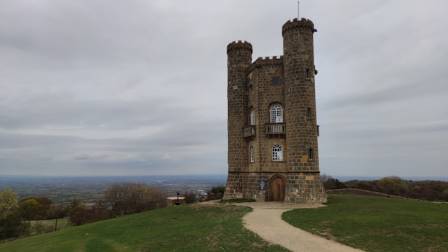
Nestled atop Broadway Hill—an elevated vantage point within the rolling, honey-stoned landscape of the Cotswolds—Broadway Tower stands as one of England’s most iconic and intriguing architectural landmarks. Located in the village of Broadway, Worcestershire, within the United Kingdom, this structure is more than just a tower; it is a “folly” — a term in architecture that describes buildings primarily constructed for decorative or symbolic purposes, often boasting elaborate, whimsical designs that transcend purely functional needs. Yet Broadway Tower’s legacy extends far beyond its ornamental roots, weaving through centuries of history, art, politics, and conservation to become a cherished symbol of the Cotswolds’ cultural and architectural heritage.
The Genesis of a Landmark: Design, Vision, and Construction
The story of Broadway Tower begins in the late 18th century, a period when follies were fashionable among Britain’s aristocracy. These structures served as status symbols, blending with the natural landscape to create picturesque vistas while reflecting the era’s fascination with classical, medieval, and exotic architectural styles. For Broadway Tower, the vision originated with Lady Coventry, the wife of George William Coventry, 6th Earl of Coventry. Legend has it that Lady Coventry harbored a curious question: could she see a tower built atop Broadway Hill from her family home, Croome Court, located some 35 kilometers (22 miles) away in Worcestershire? This seemingly simple curiosity would spark the creation of a structure that would endure for over two centuries.
To bring her vision to life, Lady Coventry enlisted two of the most prominent figures in British landscape and architectural design: Lancelot “Capability” Brown and James Wyatt. Brown, renowned as the “father of English landscape gardening,” was tasked with selecting the perfect site and integrating the tower into the surrounding Cotswold scenery. His expertise in creating naturalistic landscapes ensured that the tower would not feel imposing but rather a harmonious extension of the hilltop. Wyatt, a celebrated architect known for his mastery of Gothic and Neoclassical styles, took on the design of the tower itself. Drawing inspiration from Saxon and medieval architecture, Wyatt crafted a structure that was both eccentric and striking, blending disparate elements to create a one-of-a-kind silhouette.
Construction began in 1798 and was completed just a year later, in 1799. The tower stands at 20 meters (65 feet) tall, its height amplified by its position atop Broadway Hill—one of the highest points in the northern Cotswolds, reaching an elevation of 312 meters (1,023 feet) above sea level. Its design is a captivating mix of architectural features: turrets pierce the sky, battlements line the upper levels, gargoyles peer down from corners, and balconies offer sweeping views of the countryside. This eclecticism was intentional; Wyatt sought to evoke the romance of a medieval fortress while infusing the structure with a sense of whimsy that defined follies of the era. The result is a building that feels both ancient and playful, a testament to the creative freedom afforded by folly design.
A Tapestry of History: From Printing Press to Nuclear Bunker
Broadway Tower’s history is as diverse as its architecture, with each era leaving its mark on the structure. In the 19th century, it found a new purpose as the printing press of Sir Thomas Phillipps, a wealthy antiquarian and book collector. Phillipps, who amassed one of the largest private libraries in Europe, used the tower’s quiet, isolated location to print rare manuscripts and historical texts. The tower’s thick walls and elevated position provided a peaceful sanctuary for scholarly work, far from the bustle of urban centers.
Shortly after Phillipps’ tenure, the tower became a retreat for William Morris—one of Britain’s most influential cultural figures. A textile designer, poet, novelist, translator, and socialist activist, Morris was enchanted by Broadway Tower’s beauty and its connection to England’s medieval past. He spent time at the tower with fellow artists and intellectuals, including members of the Pre-Raphaelite Brotherhood, who shared his admiration for pre-industrial craftsmanship and heritage. It was during his time at Broadway Tower that Morris’s passion for preserving ancient buildings deepened. Shocked by the neglect and destruction of historic structures across England, he founded the Society for the Protection of Ancient Buildings (SPAB) in 1877—a organization that remains a leading voice in heritage conservation to this day. For Morris, Broadway Tower was more than a retreat; it was a symbol of the architectural and cultural heritage that needed to be safeguarded for future generations.
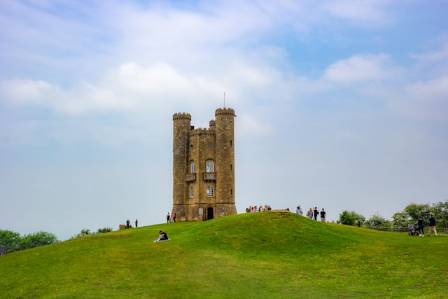
As the 20th century dawned, Broadway Tower underwent a surprising transformation: it became a farmhouse, known locally as Tower Farm. This shift from a scholarly retreat to a working farm reflected the changing social and economic landscape of the Cotswolds, as many historic estates struggled to maintain their grandeur in the face of modernization. For decades, the tower’s ornamental origins were overshadowed by its practical use, but its fortunes changed in 1976 when Lord Dulverton of Batsford Estate opened it to the public. This marked the beginning of Broadway Tower’s second life as a tourist attraction, allowing visitors to explore its history and enjoy its panoramic views.
However, the tower’s future was not secure. In 1980, the Middle Hill Estate—including Broadway Tower—was put up for sale, raising fears that the landmark might be lost to development or neglect. Fortunately, it was rescued by Hans-Eugen Will, an entrepreneur and passionate aviator, and his wife Renate. The Wills were deeply appreciative of Broadway Tower’s architectural and cultural significance, and they were determined to preserve it for the public. Their commitment ensured that the tower not only survived but thrived, evolving into the vibrant attraction it is today.
A lesser-known chapter in Broadway Tower’s history is its role during the Cold War. In the mid-20th century, a nuclear bunker was built near the tower, designed to monitor nuclear explosions and radiation levels in the event of a conflict. The bunker, which remained operational until the 1990s, is now open to visitors on select days, offering a fascinating glimpse into a tense period of modern history. This unexpected use adds another layer to the tower’s legacy, highlighting its adaptability and the ways in which it has responded to the needs of each era.
Modern-Day Marvel: Tourism, Conservation, and Community
Today, Broadway Tower stands as one of the Cotswolds’ most popular tourist destinations, drawing visitors from across the United Kingdom and beyond. Its appeal lies in its unique combination of history, architecture, and natural beauty. The tower itself houses a museum that showcases its rich past, with exhibits on William Morris, Sir Thomas Phillipps, the Cold War bunker, and the tower’s construction. Guided tours offer insights into the building’s design and the stories of those who have lived and worked there, while self-guided visits allow visitors to explore at their own pace, pausing to admire the architectural details or take in the views from the balconies.
Beyond the tower, the surrounding grounds offer a wealth of activities. Outdoor enthusiasts can explore miles of walking trails that wind through the Cotswold countryside, taking in views of rolling hills, ancient woodlands, and picturesque villages. The tower’s location atop Broadway Hill means that on clear days, visitors can see as far as the Malvern Hills, the Welsh mountains, and even the spires of Oxford—an expansive panorama that justifies Lady Coventry’s initial curiosity. For families, there are adventure playgrounds, picnic areas, and seasonal events, including craft fairs, historical reenactments, and nature workshops.
Conservation remains a key focus for Broadway Tower. The Will family, who still oversee the landmark, work closely with organizations like SPAB to ensure that the tower is preserved in line with its historical character. Regular maintenance and restoration work are carried out to protect the building’s structure, while sustainable practices are implemented to minimize the site’s environmental impact. This commitment to conservation ensures that Broadway Tower will continue to stand as a symbol of the Cotswolds’ heritage for years to come.
The tower also plays an important role in the local community. It serves as a venue for community events, fundraisers, and educational programs, connecting residents with their local history and heritage. For the village of Broadway, the tower is more than a tourist attraction; it is a source of pride, a gathering place, and an economic driver that supports local businesses, from cafes and pubs to shops and guesthouses.
A Timeless Legacy
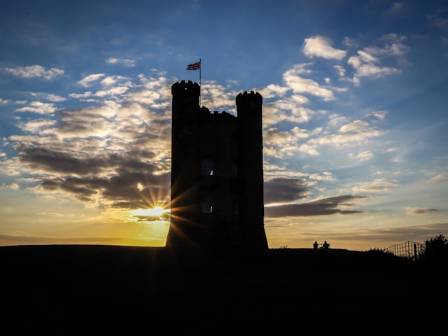
Broadway Tower is more than just a folly; it is a living testament to England’s architectural ingenuity, cultural heritage, and commitment to conservation. From its origins as a noblewoman’s curiosity to its role as a scholarly retreat, a farmhouse, a Cold War bunker, and now a thriving tourist attraction, the tower has adapted to the changing times while retaining its core identity. Its eclectic design, stunning location, and rich history make it a must-see destination for anyone visiting the Cotswolds.
Open to the public from April to October each year, Broadway Tower offers visitors a chance to step back in time, explore a unique architectural masterpiece, and experience the beauty of the Cotswold countryside. As it enters its third century, the tower shows no signs of losing its appeal. Instead, it continues to inspire awe and admiration, reminding us of the importance of preserving our architectural and cultural heritage.
In the end, Broadway Tower is more than a building; it is a symbol of the enduring power of beauty, creativity, and community. It stands as a reminder that even the most whimsical of ideas can evolve into something timeless—something that enriches the lives of all who encounter it.
Flere anbefalte saker

The Art of Italian Pasta Making
Explore dough's artistry—pasta, noodles, pancakes, and dumplings craft a delicious masterpiece.

An In-Depth Guide to the Wonders of Outer Space
The cosmos offers a vast and captivating array of scientific, historical, and cultural phenomena. From the swirling gases of distant galaxies to the rocky surfaces of our neighboring planets, the universe is filled with objects that challenge our understanding of physics and time. By studying the latest astronomical discoveries and examining the structure of our solar system, we gain a clearer perspective on the celestial environment that surrounds our world.

10 Reasons Why You Should Start Roller Skating Today
If you’ve never tried roller skating before, there’s never been a better time to give it a go. Beyond the thrill of cruising on wheels and the wind brushing against your face, roller skating offers a wide range of benefits that go far beyond simple enjoyment. Whether you're searching for a new fitness outlet, a way to relax, or a fresh way to socialize, roller skating ticks all the boxes. Here are ten compelling reasons to lace up your skates and roll into a new adventure:
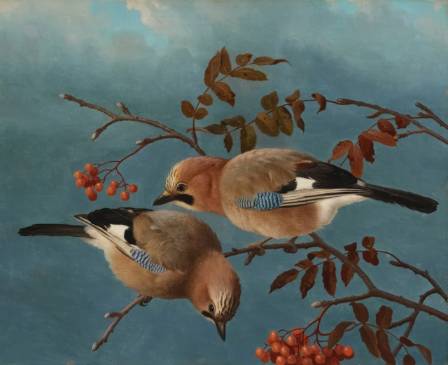
Famous Bird Paintings
Across centuries, painters have shown a deep fascination with birds and other animals. These creatures often appear in major art movements such as Impressionism, Naturalism, and Romanticism, where they serve as central subjects rather than background details.
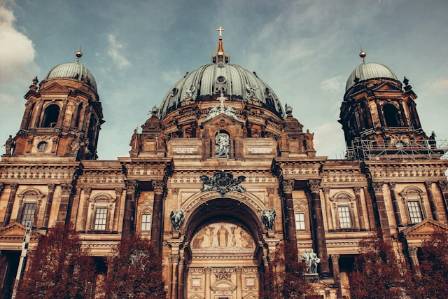
10 Fascinating Facts About Berlin Cathedral You Probably Didn’t Know
Berlin Cathedral, standing proudly on Museum Island, is one of Germany’s most iconic landmarks. With its massive dome, intricate history, and cultural significance, this church is far more than just an architectural gem. Let’s uncover ten intriguing facts about this remarkable building.
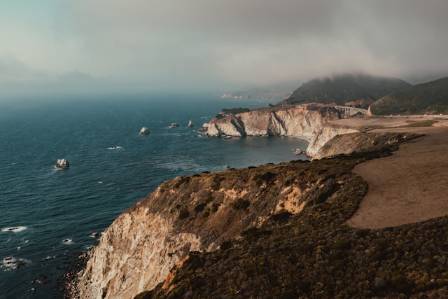
Discover the Ultimate Pacific Coast Highway Adventure
Prepare to embark on an unforgettable journey along the iconic Pacific Coast Highway, also known as Highway 1. Our meticulously crafted Pacific Coast Highway road trip itinerary will guide you through the most captivating stops on this scenic route.

10 Creative Ways to Use Strawberry Tops
Don’t toss those strawberry tops in the trash just yet—these leafy bits are surprisingly versatile. Instead of wasting them, try one of these clever ways to give strawberry tops a second life, both in the kitchen and beyond.
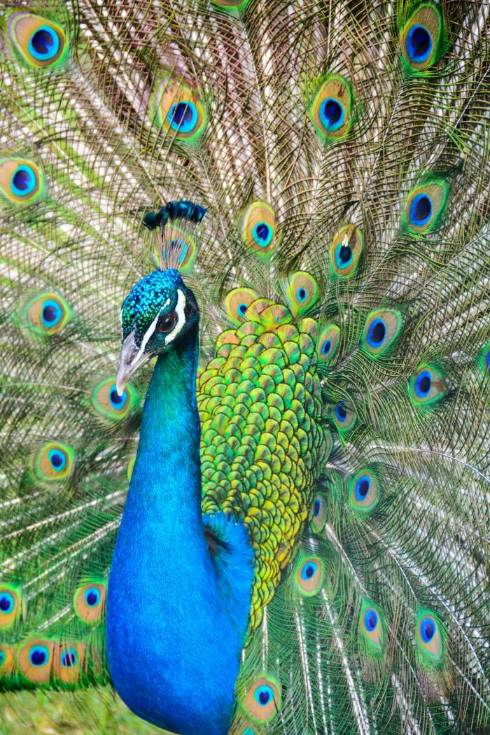
The Rejuvenation of the Peacock: A Tale of Shimmering Splendor
A peacock without its resplendent tail feathers is akin to a king stripped of his crown, a tiger bereft of its stripes, a cowboy lacking his trusty boots. Within the realm of the avian world, the male of the peafowl species, the illustrious peacock, embodies notions of beauty, regality, and pride. Like many of their male avian counterparts, peacocks boast appearances that outshine the demure peahens. These proud birds flaunt their iconic plumage to captivate potential mates.

Comprehensive Guide to Sketching and Painting Sunflowers
This creative project explores the versatile nature of a single floral composition. By replicating the same sunflower sketch using ten different artistic mediums—ranging from traditional crayons and colored pencils to oil pastels and digital graphics—you can clearly observe how each material alters the final aesthetic. This guide provides the foundational sketch instructions followed by specific techniques for acrylics and colored pencils.

Exploring Tulip Season with Bloomeffects: A Dutch Delight
The Netherlands boasts a myriad of attractions, from the vibrant cityscape of Amsterdam to its iconic canals and distinctive traditions. Among these, the enchanting tulip fields emerge as a captivating spectacle, drawing visitors from around the globe. As the tulip season concludes and farmers gear up for the next bloom, Bloomeffects shares fascinating insights and essential tips for respectfully enjoying these fields in the coming year.