Publisert
Comprehensive Guide to Sketching and Painting Sunflowers
This creative project explores the versatile nature of a single floral composition. By replicating the same sunflower sketch using ten different artistic mediums—ranging from traditional crayons and colored pencils to oil pastels and digital graphics—you can clearly observe how each material alters the final aesthetic. This guide provides the foundational sketch instructions followed by specific techniques for acrylics and colored pencils.
Noah Whitmore
Signatur
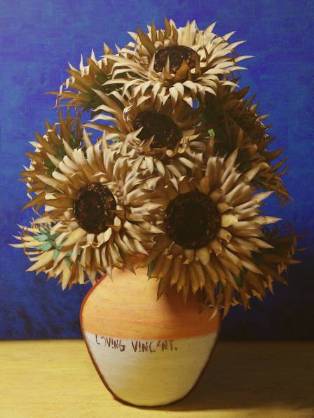
This creative project explores the versatile nature of a single floral composition. By replicating the same sunflower sketch using ten different artistic mediums—ranging from traditional crayons and colored pencils to oil pastels and digital graphics—you can clearly observe how each material alters the final aesthetic. This guide provides the foundational sketch instructions followed by specific techniques for acrylics and colored pencils.
Designing the Initial Sunflower Sketch
Before applying color, establish a solid pencil draft. Use these steps as a flexible framework for your own unique interpretation.
The First Bloom
Begin by drawing a shape resembling the letter "C" to establish the center of the first flower. Since this sunflower is viewed from the side, the center should be an elongated oval rather than a perfect circle. The open gap in the "C" allows space for overlapping petals. Add the first petal using a triangular shape with slightly curved sides. Continue adding petals around the center, varying their lengths and allowing some to bend or overlap to create a sense of depth.
Leaves and Stems
Once the bloom is shaped, add small green leaves (sepals) at the base of the flower head. Extend a stem downward and begin the primary foliage. Start a leaf with a single curved line, then complete the shape by drawing a ridged edge along the bottom.
The Second Bloom and Buds
Identify the position of a second sunflower facing forward. Use a dotted line to mark a circular center. Draw petals that resemble irregular teardrops, working your way around the circle. To create a layered effect, tuck some petals behind the leaves of the first flower. Next, add a small oval to represent the tip of a developing bud. Draw a rounded base for the bud and surround it with protective leaves and a stem. Repeat this process for additional buds to balance the composition.
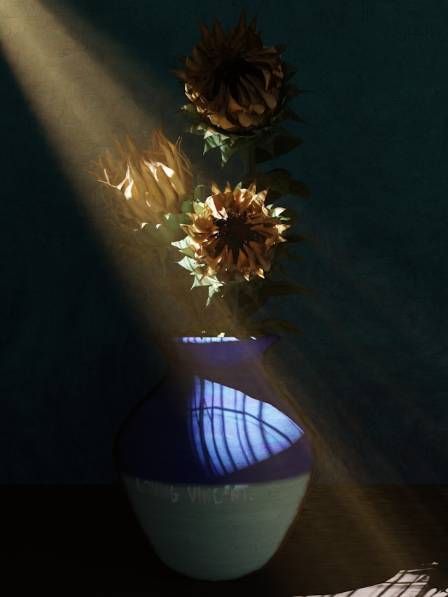
Mastering Acrylic Painting Techniques
Acrylics are excellent for building vibrant layers and rich textures. This method focuses on a "dark-to-light" approach.
Background and Base Layers
Transfer your sketch to a canvas and prepare a palette of blues, greens, yellows, and whites. Using a wide, flat brush, blend your background colors directly on the canvas. Use a more precise touch when painting around the edges of the flowers. Once the background is established, fill the flower petals with a watery yellow wash and the centers with a basic brown.
Building Dimension
To create realistic foliage, fill the stems and leaves with a dark green base. While the paint is still workable, apply lighter greens, browns, or whites to the raised areas to simulate highlights. For the petals, start with a flat yellow foundation. Add a crisp white highlight to the edges and a subtle reddish-brown shadow near the base. This contrast ensures each petal stands out individually. Finalize the centers with a mix of black, brown, and white stippling to mimic seeds.
Creating Depth with Colored Pencils
Colored pencils require a patient, layered approach to achieve a polished, painterly look without the texture of the paper showing through.
Initial Shading
Begin with a "mapping" phase. Use black and brown pencils to lightly shade the areas that will eventually be the darkest. Expand these shadows using deep blues, dark greens, and muted yellows. This establishes the structural values of the piece early on.
Layering and Blending
Gradually introduce more vibrant greens, blues, and reddish-browns to bridge the gap between your shadows and mid-tones. Continue adding layers of color until the entire surface is covered. To finish, use a white pencil, a pale yellow, or a dedicated colorless blender. Pressing firmly during this final stage helps "burnish" the wax or oil, blending the underlying colors into a smooth, seamless finish.
Comparison of Different Artistic Mediums
The choice of material significantly impacts the character of the artwork. Each medium offers a distinct visual language:
-
Markers: These provide bold, saturated colors and are excellent for graphic, high-contrast styles.
-
Ink: Ideal for emphasizing line work and intricate details.
-
Watercolors: These offer a soft, translucent quality, though they require careful timing and patience to avoid muddying the colors.
-
Oil Pastels: These create a thick, textured, and buttery appearance that mimics oil paint.
-
Crayons and Hard Pastels: These provide a more tactile, textured finish with varying degrees of blendability.
-
Digital Graphics: This medium allows for clean lines and infinite adjustments to lighting and color balance.
Experimenting with different tools on the same subject is a powerful way to discover your personal artistic preferences and expand your technical repertoire.
Flere anbefalte saker
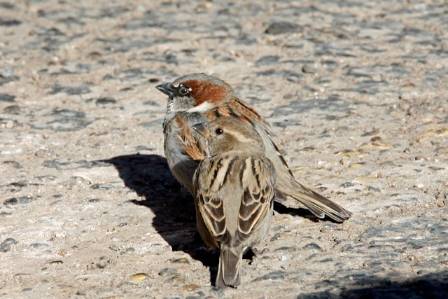
Essential Facts and Characteristics of the House Sparrow
The House Sparrow is one of the most widespread and resilient avian species in the world. Originally native to Eurasia and Northern Africa, these birds have expanded their territory alongside human civilization, successfully inhabiting every continent on Earth with the exception of Antarctica. Their presence is so closely linked to human activity that a low sparrow population in a specific area almost always reflects a sparse human population as well.
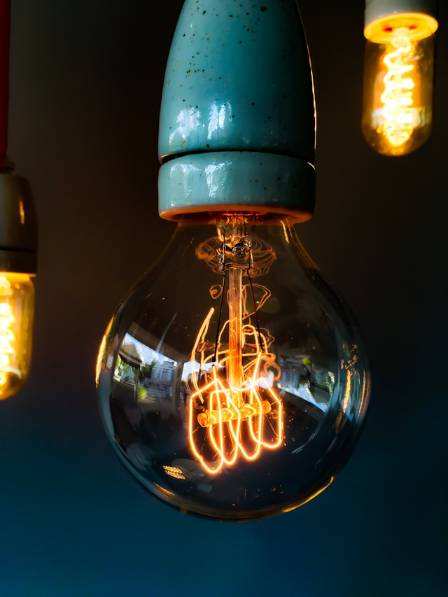
The First Spark in a Lab
The history of modern civilization is impossible to tell without the story of electric light. From Thomas Edison’s early experiments in a New Jersey lab to the highly efficient LEDs that illuminate our world today, the journey of lighting technology is not just about invention—it’s about transformation. A single spark in a lab more than a century ago marked the beginning of a new era. This article explores how that first spark led us from dim filaments to the glowing future of LED lighting.

Top 10 Fascinating Facts About Sloths
Sloths, the iconic slow-moving mammals of the American rainforests, have captivated human curiosity with their unique lifestyles and remarkable adaptations. Far more than just "lazy" creatures, they embody a masterclass in evolutionary strategy, thriving in their habitats through patience, specialization, and symbiosis. Below are 10 intriguing facts that reveal the hidden complexity and charm of these gentle arboreal dwellers.
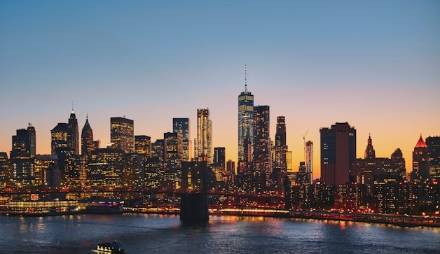
Delving into the Realm of New York: Navigating the Ever-Awake City
When envisioning the quintessential American metropolis, the mosaic of skyscrapers, the vibrant culture, and the ceaseless dynamism of New York City unfurl in the mind's eye. As the most densely populated city in the nation, pulsating with 8.5 million souls, it stands as an emblem of financial prowess, educational excellence, and cultural diversity.
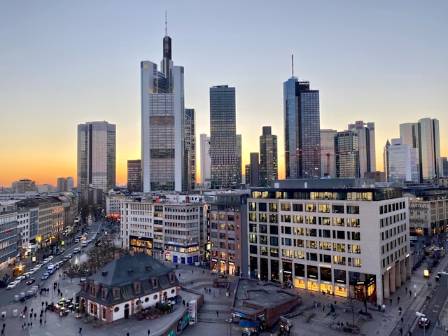
12 Fascinating Facts About Frankfurt’s Commerzbank Tower
Frankfurt am Main, sitting along the River Main in Germany’s Hesse state, boasts one of Europe’s most recognizable skylines. At the heart of its bustling financial quarter rises the Commerzbank Tower, a landmark that combines architectural brilliance with sustainable innovation. Here are twelve intriguing insights into this remarkable skyscraper.

Winter Wonderland Destinations
Some places transform into magical landscapes when winter arrives, turning into true winter wonderlands. These destinations, draped in snow or iced with frost, showcase the beauty of the colder months. Here are a few of the most breathtaking winter locations from around the world.
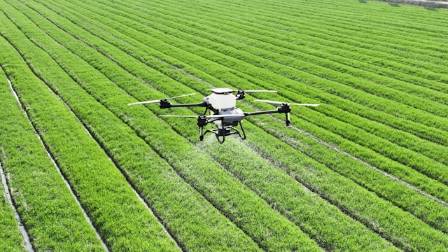
Drone Spraying in Agriculture
Agriculture is undergoing a major shift, driven by drone-based spraying systems that are reshaping how crops are managed. This modern approach is redefining farm operations by delivering higher accuracy, improved efficiency, and better environmental outcomes.
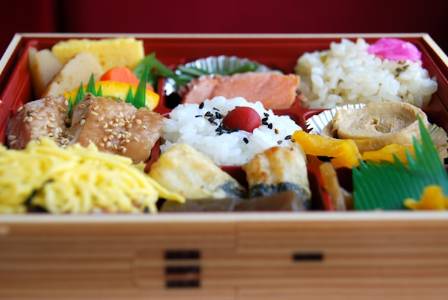
Japanese Bento Box Types Explained
A bentō—often referred to as a “bento box” in English—is far more than a simple packed meal. It represents a key part of Japanese culinary culture, combining convenience, balanced nutrition, and visual appeal in one carefully organized dish.
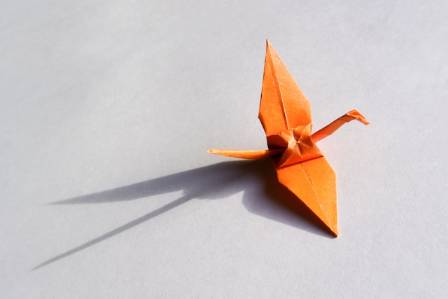
Fundamentals of Paper Sculpture: A Guide to Origami Animals
Origami, the traditional Japanese practice of transforming paper through folding, has evolved into a globally cherished hobby suitable for enthusiasts of all ages. While certain designs involve high levels of complexity, the craft offers numerous accessible entry points for those just beginning their journey. With nothing more than a perfectly square sheet of paper, you can produce charming representations of cats, frogs, and foxes.
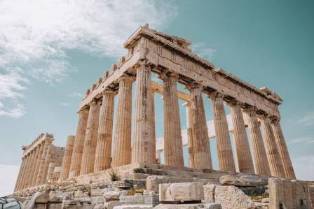
Unveiling Chronicles: Narratives Behind Iconic Structures
The saga of human history is not confined to tales of individuals alone; the very architecture we construct carries within it a repository of narratives spanning generations. Famous buildings echo with stories of triumph, transformation, and sometimes, tumult. Here, we delve into the intriguing chronicles behind some of the world's most renowned structures, each steeped in humor, irony, and, at times, regret.