Publisert
Traditional Ethnic Clothing Across the Globe
The clothes we choose to wear often suit the occasion at hand whether it’s a business meeting, a Sunday hike, or a night out with friends and they can also reflect our mood or give a glimpse of our personality. But clothing is more than just a personal choice; it carries national significance too. Traditional ethnic wear, with roots in specific historical periods, embodies the culture and identity of a particular ethnic group and is frequently tied to social and religious standing. In many parts of the world, Western-style clothing has become common, with traditional garments reserved for special events and festivals. Yet, in places like Bhutan, citizens still wear their ethnic attire in everyday public life.
Matthew Rogers
Signatur
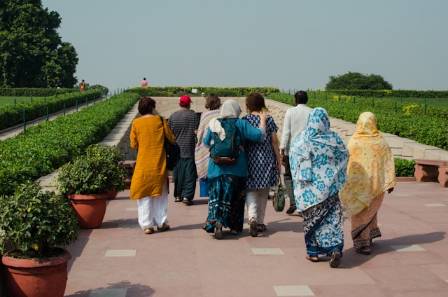
The clothes we choose to wear often suit the occasion at hand whether it’s a business meeting, a Sunday hike, or a night out with friends and they can also reflect our mood or give a glimpse of our personality. But clothing is more than just a personal choice; it carries national significance too. Traditional ethnic wear, with roots in specific historical periods, embodies the culture and identity of a particular ethnic group and is frequently tied to social and religious standing. In many parts of the world, Western-style clothing has become common, with traditional garments reserved for special events and festivals. Yet, in places like Bhutan, citizens still wear their ethnic attire in everyday public life.
Sari, India
The sari (or saree) is the traditional garment for women in India, Sri Lanka, Pakistan, Bangladesh, and Nepal. It consists of a single unstitched piece of fabric, which can be as long as eight meters, with an ornate end section. Depending on the region, a sari can be draped in up to 100 different ways. In India, women of all social statuses wear saris. The quality varies widely—from simple cotton versions sold in street markets to elaborate, eye-catching pieces that grace international fashion runways. Saris are often passed down through generations, given as gifts at weddings or other significant occasions.
Kilt, Scotland
The kilt is a knee-length woolen garment featuring a tartan pattern and pleats at the back, typically worn with long woolen socks. In the 16th century, it was the traditional clothing for men and boys in the Scottish Highlands, but from the 19th century onward, it became the national dress of Scotland as a whole. Later, kilts were also adopted by Irish and Welsh nationalists. They are usually worn on formal occasions such as weddings, Highland Games, and music and dance events.
Kimono, Japan
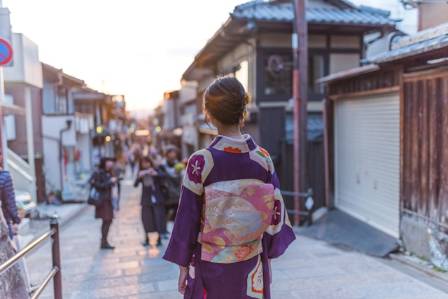
The kimono is perhaps the most iconic symbol of traditional Japanese culture. The word “kimono” comes from the Japanese terms “ki” and “mono,” meaning “something to wear.” In its earliest form, the kimono was worn as an undergarment with “hakama” (trousers). During the Edo period (1603–1867), the kimono evolved, becoming more colorful and available in a range of fabrics and styles. However, from the late 19th century, its popularity began to decline. Today, it is mainly worn for special events like weddings and summer festivals, and most young girls rely on older generations to help them put it on correctly.
Non la, Vietnam
Vietnam’s most famous accessory, the conical hat (or “non la”), is connected to a legend about a goddess who came down from the sky during a devastating period of heavy rain. She wore a large hat under which people found shelter from the storm clouds. For centuries, the conical hat has been an essential item in Vietnam, protecting people from the sun and rain, serving as a shopping basket, and even acting as a bowl for holding water. There are over 50 types of “non la,” and while materials can vary, they are generally made from palm leaves and bamboo. However, as industrialization progresses, skilled weavers are becoming fewer, and the hats are increasingly produced in factories.
Gákti, Northern Europe
The Sámi people are indigenous to communities in northern Norway, Sweden, Finland, and, to a lesser extent, Russia’s Kola Peninsula. Their traditional costume, known as “gákti,” “kofte,” or “kolt” depending on the region, is a tunic or dress most commonly made from leather, sinews, and wool. Traditionally, belts, boots, and gloves were crafted from reindeer skin and fur, but today other materials like wool are widely used. The “gákti” features colors such as blue, red, yellow, and green, and details like buttons or patterns indicate the wearer’s marital status or place of origin.
Maasai bead jewellery, Kenya and Tanzania
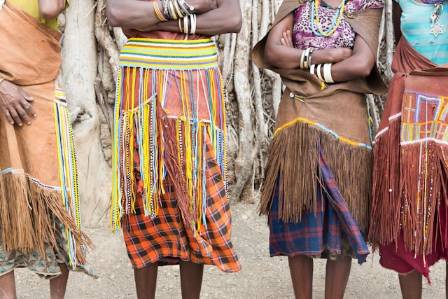
The Maasai tribe of Kenya and Tanzania is famous for its bead jewelry, which is made exclusively by women but worn by both men and women. The beadwork a person wears reveals their age, social standing, and marital status. Before Europeans arrived, the jewelry was made from clay, wood, bone, and copper, but today glass is the primary material. Each color holds symbolic meaning: red represents bravery and unity, white stands for health, blue symbolizes rain and the sky, orange reflects hospitality, and black signifies the people’s struggles.
Kira and gho, Bhutan
In Bhutan, men and women are required to wear their traditional clothing. Men wear a knee-length robe called a “gho,” while women wear an ankle-length dress known as a “kira.” Both garments are tied at the waist; men typically pair theirs with a silk scarf, and women with a intricately decorated jacket. The fabrics used for traditional Bhutanese attire are woven, colorful, patterned, and feature luxurious details (depending on the occasion), with a careful wrapping style that adorns the body.
Traditional ethnic wear serves as a powerful link to the past, preserving the stories, values, and craftsmanship of diverse cultures around the world. While globalization has brought Western fashion to many corners of the globe, these garments remain a vital part of cultural identity, worn with pride during celebrations and, in some cases, as part of daily life. They are more than just clothing—they are living expressions of heritage, connecting generations and keeping traditions alive in an ever-changing world. Whether it’s the elegance of a sari, the bold patterns of a kilt, or the symbolism of Maasai beadwork, each piece tells a unique story that enriches our global tapestry of cultures.
Flere anbefalte saker

8 Chic Headboard Ideas for a Stylin' Bedroom
Headboards have evolved from practical draft barriers to stunning focal points that define bedroom aesthetics. These eight creative headboard concepts offer inspiration for transforming your sleeping space into a stylish sanctuary that reflects your personal taste.

Vibrant Summer Fruit Medley
This straightforward fruit salad is an ideal accompaniment for warm-weather gatherings. Appealing to both children and adults, it features a spectrum of colorful produce tossed in a zesty honey-lime glaze.

Top 10 Fascinating Facts About Sloths
Sloths, the iconic slow-moving mammals of the American rainforests, have captivated human curiosity with their unique lifestyles and remarkable adaptations. Far more than just "lazy" creatures, they embody a masterclass in evolutionary strategy, thriving in their habitats through patience, specialization, and symbiosis. Below are 10 intriguing facts that reveal the hidden complexity and charm of these gentle arboreal dwellers.

Intriguing Historical Facts and Trivia About Vintage Automobiles
While the definition of a "classic" car often sparks debate among motoring enthusiasts, it generally refers to an older vehicle that possesses a significant status or historical value, ensuring it is preserved rather than scrapped. Sharing knowledge is a cornerstone of the collector community. To enhance your next conversation with fellow fans, here are several fascinating details about the history and development of the automobile.

5 Steps to Elevate Your Exhibits with Realistic Figures
Transform your exhibits into immersive experiences with our customizable realistic figures, designed to embody a lifelike human presence. Whether you need assistance selecting the perfect model or wish to explore various options, we are here to help.

10 Fascinating Facts About Sunglasses You Didn’t Know
Sunglasses are more than just a stylish accessory. They carry a long and surprising history, blending practicality, culture, and even a little bit of eccentricity. While today we slip them on to look cool or shield our eyes, their story stretches back centuries. Here are ten intriguing details that will completely change how you view sunglasses.

Top 8 Things to Consider Before Placing Your Couch in Front of a Window
A living room layout can be significantly influenced by where you place your couch, and placing it in front of a window can dramatically change the vibe of the room. While this decision may seem bold, it has the potential to transform the space into a more inviting, light-filled area. However, this design choice comes with both its advantages and drawbacks. In this article, we’ll explore key factors to help you decide if positioning your couch by the window is the right move for you.

4 Ways Animals Signal Imminent Threats
Animal behavior can provide valuable insights into shifts in the weather—and even signal potential threats.

Winter Wonderland Destinations
Some places transform into magical landscapes when winter arrives, turning into true winter wonderlands. These destinations, draped in snow or iced with frost, showcase the beauty of the colder months. Here are a few of the most breathtaking winter locations from around the world.

The Art of Italian Pasta Making
Explore dough's artistry—pasta, noodles, pancakes, and dumplings craft a delicious masterpiece.