Publisert
The Most Imperiled Neighbors: The Plight of the Long-Tailed Macaque
In the tangled mangroves and bustling human-altered landscapes of Southeast Asia, an intelligent and adaptable primate is facing a silent crisis. The long-tailed macaque, a creature once common at the edges of villages and deep within forests, is now navigating a path toward extinction. Recently classified as Endangered, their story is a complex tale of coexistence, conflict, and the profound consequences of human activity on the natural world.
David Jones
Signatur
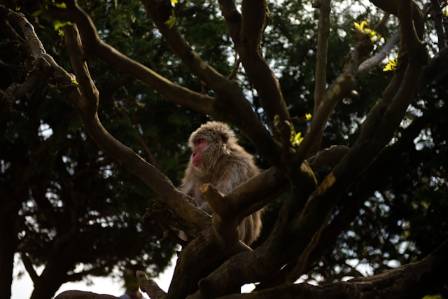
In the tangled mangroves and bustling human-altered landscapes of Southeast Asia, an intelligent and adaptable primate is facing a silent crisis. The long-tailed macaque, a creature once common at the edges of villages and deep within forests, is now navigating a path toward extinction. Recently classified as Endangered, their story is a complex tale of coexistence, conflict, and the profound consequences of human activity on the natural world.
A Keystone in the Ecosystem
Long-tailed macaques are far more than just clever residents of the tropics; they are vital players in their ecosystems. As opportunistic omnivores, their diet includes insects and crabs, and by preying on these species, they act as natural population regulators. This role helps maintain a delicate ecological balance, ensuring the health and stability of the habitats they inhabit, from swamp forests to coastal areas.
Recognizing a Neighbor
Identifying these macaques is relatively straightforward. They sport grey-brown to reddish-brown fur with distinct pinkish faces. The males are easily recognized by their characteristic white moustaches, while females appear to have bearded chins. Their most defining feature, as their name suggests, is an exceptionally long tail, which can measure up to 60cm—often longer than their 38-55cm body.
Masters of Adaptation
These primates are the ultimate adapters, described by ecologists as generalists. They thrive in an incredible range of environments, showing a distinct preference for riparian zones, mangroves, and swamps. However, their remarkable flexibility allows them to also flourish in human-dominated landscapes, becoming synanthropic species that live alongside roads, in agricultural fields, and around temples, benefiting from resources people unintentionally provide.
A Complex Social World
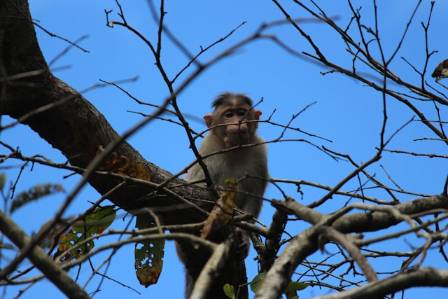
The social life of a long-tailed macaque is rich and multifaceted. They live in groups where females typically outnumber males, though an alpha male leads the troop. Their communication is sophisticated, involving a complex repertoire of facial expressions, body postures, vocal sounds, and grooming. Females give birth to a single infant every year or two after a pregnancy of about 162 days, fostering strong maternal bonds.
The Multifaceted Threat
Their endangered status is not due to a single cause but a perfect storm of human-driven pressures. Rampant habitat destruction from deforestation and development is eroding their natural living spaces. They are also victims of intense persecution, often killed as agricultural pests or captured for the illegal pet trade and for use in biomedical research. This increased contact and conflict at the human-wildlife interface is accelerating their decline.
An Uncertain Future
The exact global population of long-tailed macaques is unknown, but the trend is alarmingly and consistently downward. Their ability to live near humans has created a dangerous illusion of abundance, masking their rapid disappearance from wild spaces. This misconception makes concerted conservation efforts even more critical.
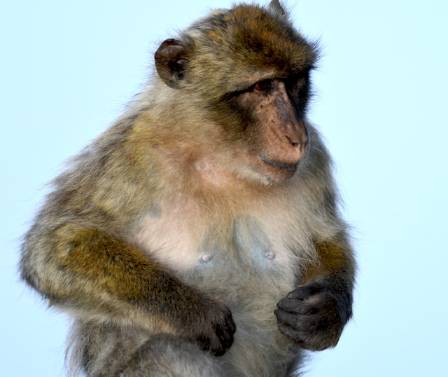
The long-tailed macaque stands at a crossroads. Their intelligence and cultural behaviors, like washing sandy fruit in rivers, highlight their complexity. Their precarious situation serves as a urgent warning about the fragility of even the most adaptable species when faced with overwhelming human pressure. Their survival will depend on our willingness to see them not as pests, but as important neighbors whose role in the ecological and cultural tapestry of Asia is irreplaceable.
Flere anbefalte saker

10 Fascinating Facts About Berlin Cathedral You Probably Didn’t Know
Berlin Cathedral, standing proudly on Museum Island, is one of Germany’s most iconic landmarks. With its massive dome, intricate history, and cultural significance, this church is far more than just an architectural gem. Let’s uncover ten intriguing facts about this remarkable building.
Understanding the Essence of Slow Living: A Journey to Mindful Living
Slow living is not merely a trend; it's a profound mindset that encourages you to curate a lifestyle aligned with your core values. It champions the idea of doing everything at the right pace rather than racing through life. The slow movement emphasizes doing things better, not faster. This approach entails slowing down, doing less, and dedicating time to the things that hold the utmost significance in your life.

Top 10 Vintage Cars Every Enthusiast Should Know
Top 10 Vintage Cars Every Enthusiast Should Know

Guide: Illustrating a Parisian Urban View in Watercolors
The streets of Paris serve as an endless fountain of inspiration, defined by historical architecture and a unique, pulsing energy.

8 Smart Ways to Create a Minimal-Looking Living Room Without Being a Minimalist
You don’t have to adopt a strictly minimalist lifestyle to enjoy the calming effects of a simpler, more intentional living space. Even if you love layers of texture, cozy corners, and everyday comfort, it’s possible to transform your living room into a more peaceful environment without giving up the personality and practicality you value. Whether you're feeling a bit overwhelmed by clutter or just want to create more visual breathing room, here are eight effective tips to bring minimal-inspired order and ease to your living room—no rigid rules required.

10 Surprising Facts About Parrots
Parrots are fascinating birds known for their intelligence, colorful appearance, and unique behaviors. With over 370 species mostly found in tropical regions, these birds have many traits that make them extraordinary pets.

7 Fascinating Facts About Turtle Shells
Turtle shells represent one of nature's most remarkable evolutionary adaptations, serving as both protective armor and integrated skeletal structure. These unique anatomical features have fascinated scientists and nature enthusiasts for centuries.

Unveiling Chronicles: Narratives Behind Iconic Structures
The saga of human history is not confined to tales of individuals alone; the very architecture we construct carries within it a repository of narratives spanning generations. Famous buildings echo with stories of triumph, transformation, and sometimes, tumult. Here, we delve into the intriguing chronicles behind some of the world's most renowned structures, each steeped in humor, irony, and, at times, regret.

City Pulse: Unique Street Flavors of Adana/Turkey
Join the symphony of the streets. Click to explore the dynamic rhythm and energy of everyday scenes.

The Windmill in European Art (1500-1850): A Journey Through Time and Landscape
For over six centuries, windmills have been a distinctive feature of European landscapes and a popular subject in art. From their twelfth-century origins to their peak in the mid-nineteenth century, these towering structures captured the imagination of artists across the continent. This article explores how windmills were depicted in European art from 1500-1850, examining their technical evolution, cultural significance, and artistic representation.