Publisert
Ink wash painting technique
Ink wash painting, known as shui-mo hua in Chinese and sumi-e in Japanese, is a classical East Asian art form that employs black ink in varying strengths to create a wide spectrum of tones and textures.
Sarah Davis
Signatur
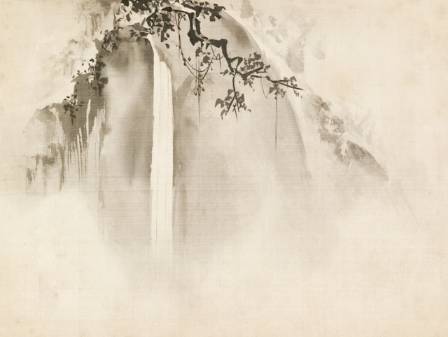
Ink wash painting, known as shui-mo hua in Chinese and sumi-e in Japanese, is a classical East Asian art form that employs black ink in varying strengths to create a wide spectrum of tones and textures.
This style values minimalism, expressive brushwork, and conveying the spirit or essence of the subject rather than realistic representation. Here’s a comprehensive look at ink wash painting:
Defining Features
Monochrome Focus:
Primarily relies on black ink, diluted with water to produce gradients of gray.
Occasionally, subtle hints of color may appear, but the emphasis is always on tonal variation and contrast.
Brush Techniques:
Brushwork is central to the art, with each stroke conveying emotion and texture.
Techniques include lines, dots, washes, and dry brushwork, each producing distinct effects.
Ink and Water Control:
Mastery over the balance of ink and water is essential for achieving desired fluidity and tonal depth.
Different surfaces, whether paper or silk, respond uniquely to ink, influencing absorption, spread, and texture.
Historical Background
Origins in China:
Ink wash painting emerged during the Tang Dynasty (618–907) and reached refinement in the Song Dynasty (960–1279).
Influenced by Daoist and Buddhist thought, it emphasizes harmony with nature, simplicity, and spontaneity.
Spread to East Asia:
The technique traveled to Korea (sumukhwa) and Japan (sumi-e), each developing distinctive local interpretations.
Literati Tradition:
Scholar-artists prized personal expression, intellectual depth, and poetic resonance over commercial appeal.
Paintings were often paired with poetry or calligraphy, blending visual and literary arts.
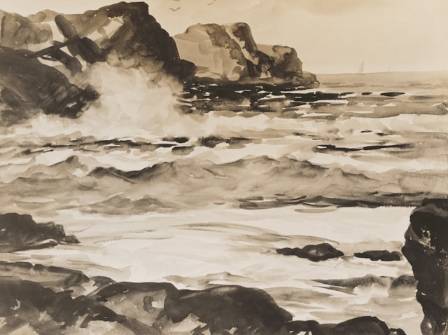
Techniques and Tools
Materials:
Brushes: Soft, absorbent brushes crafted from animal hair.
Ink: Traditionally prepared by grinding solid ink sticks on an inkstone with water.
Surfaces: Absorbent papers like Xuan paper or silk.
Core Techniques:
Line Work: Fine strokes for detailing and outlines.
Ink Washes: Broad strokes of diluted ink for shading and depth.
Dry Brush: Sparse ink for textured, broken lines.
Wet-on-Wet: Applying ink to a moist surface for blended, soft edges.
Composition Principles:
Emphasis on harmony, balance, and often asymmetry.
Strategic use of negative space to suggest elements like sky, water, or mist.
Minimalistic compositions aim to capture the essential character of the subject.
Common Themes
Nature:
Landscapes, flora, fauna, and natural phenomena dominate the subject matter.
The goal is to express the vitality, energy, and essence of the natural world.
Human Presence:
Figures are typically shown in harmony with their surroundings, highlighting human connection with nature.
Abstract Expression:
Some works focus on the dynamic interaction between ink, brush, and surface rather than representing recognizable subjects.
Notable Artists
China:
Wang Wei (701–761): Early master of landscape painting.
Shitao (1642–1707): Celebrated for inventive and emotive brushwork.
Japan:
Sesshū Tōyō (1420–1506): Merged Chinese ink techniques with Japanese sensibilities.
Tōhaku Hasegawa (1539–1610): Known for calm, atmospheric landscapes.
Korea:
Jeong Seon (1676–1759): Developed the “true-view” style of Korean landscape painting.
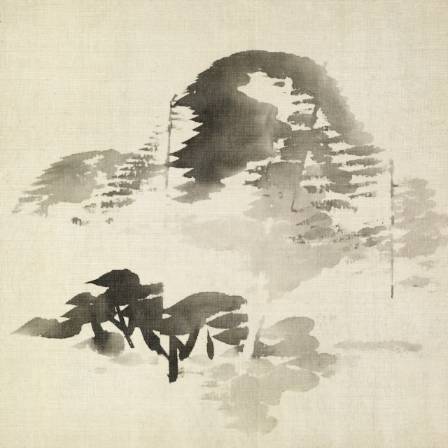
Contemporary Relevance
Ink wash painting continues to inspire modern artists who integrate traditional techniques with contemporary subjects and concepts. It is also practiced as a meditative art form, fostering mindfulness and a deep connection between the artist, their tools, and the subject.
Conclusion
Ink wash painting is a deeply expressive art form that celebrates simplicity, spontaneity, and the essence of what is depicted. With centuries of history and a timeless aesthetic, this medium continues to captivate artists and audiences, bridging tradition with modern creativity.
Flere anbefalte saker

The Top 10 Best Golf Courses in the World Every Golfer Should Play
Golf’s most exceptional courses are more than just playing fields—they are living testaments to the sport’s heritage, blending natural beauty with meticulous design. From windswept coastal links in Scotland to immaculately manicured fairways in the United States, these courses offer unforgettable experiences that combine thrilling challenges with awe-inspiring scenery. Here are the top 10 destinations that define golfing excellence.
Mori Style Clothing: The Calm of Nature in Fashion
Mori style, which means “forest style” in Japanese, is a fashion movement that started in Japan around 2006. This charming look celebrates a bond with nature, simplicity, and a slower way of living. Let’s take a closer look at the main elements of mori style and how you can add them to your wardrobe.

10 Reasons Why You Should Start Roller Skating Today
If you’ve never tried roller skating before, there’s never been a better time to give it a go. Beyond the thrill of cruising on wheels and the wind brushing against your face, roller skating offers a wide range of benefits that go far beyond simple enjoyment. Whether you're searching for a new fitness outlet, a way to relax, or a fresh way to socialize, roller skating ticks all the boxes. Here are ten compelling reasons to lace up your skates and roll into a new adventure:

The Best Pixel Art of All Time
Pixel art is far more than a nostalgic nod to gaming’s past—it’s a bona fide artistic style that has shaped the medium from its humble beginnings to the modern indie renaissance. While early games leaned on pixels out of technical necessity, later titles elevated the form into a true art, infusing each frame with vibrancy, feeling, and boundless creativity.
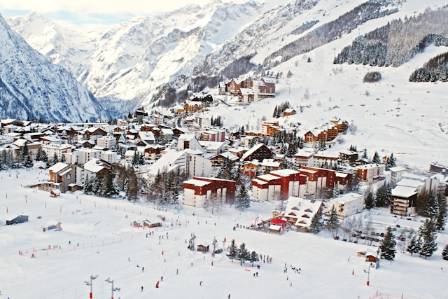
8 Enchanting Snow Towns
Embrace the winter wonderland within the U.S., where snowy landscapes transform towns into magical cold-weather escapes. From Alaska to Vermont, these picturesque communities offer cozy inns, fireside cocoa, ice skating, and a dusting of fresh flakes. Let's explore the allure of these 8 beautiful winter towns:

A Comprehensive Guide to Selecting the Perfect Bed Frame
Establishing a bedroom environment conducive to rest requires more than just a high-quality mattress; it necessitates a bed frame that offers both structural support and aesthetic appeal. Because a bed is the primary focal point of the room, choosing the right model involves balancing your personal style with practical spatial requirements. To make an informed decision, you should evaluate the frame type, the overall room aesthetic, dimensions, build quality, and additional features like integrated storage.

15 Races in the US That Every Runner Needs To Do
For runners, the motivation to tie up our shoes is as varied as the races themselves. We chase personal goals, the thrill of competition, the weight of a finisher's medal, and the incredible community spirit. The real challenge isn't getting out the door, but choosing which iconic event to target. To help you decide, we've curated a list of the most legendary and breathtaking races across the United States.
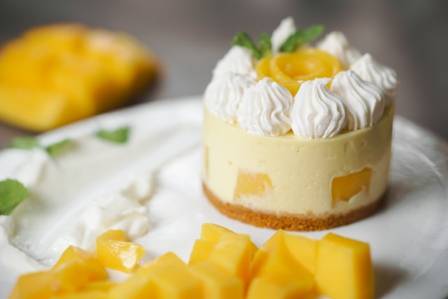
An In-Depth Guide to the Best Mango Cakes: Standards, Varieties, and Performance
Mango cake is a celebrated dessert that merges tropical sweetness with a creamy, indulgent mouthfeel. By utilizing ripe mangoes in the form of purees, fresh segments, or nectar, bakers create a vibrant treat perfect for festive gatherings or summer events.
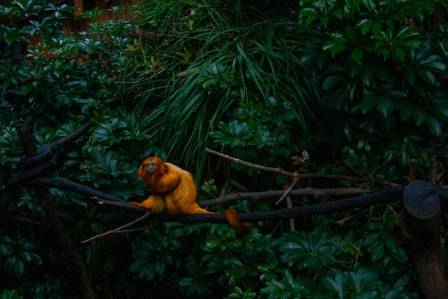
The Golden Snub-Nosed Monkey: A Master of the Chinese Highlands
The golden snub-nosed monkey (Rhinopithecus roxellana), frequently referred to as the Sichuan golden snub-nosed monkey, is an Old World primate endemic to the central and southwestern mountainous regions of China. These primates are distributed across specific pockets in East, Central-South, Southwest, and Northwest China. Their presence is dictated by specific ecological conditions, as they favor high-altitude temperate forests. While they can inhabit various woodland types, they are most frequently found in evergreen broad-leaved forests or mixed forests containing deciduous trees.
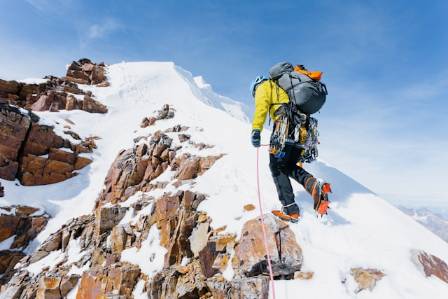
Top 10 Mountains to Climb
Located in the remote Karakoram Range, K2 is the second-highest mountain in the world. While climbing K2 itself is reserved for highly experienced mountaineers, trekking to its basecamp offers an unforgettable adventure. The journey passes through rugged terrain, glaciers, and high-altitude valleys, providing breathtaking views of one of the most formidable peaks on Earth. Trekkers experience the culture of local villages and the hospitality of the mountain communities, making it both physically and culturally enriching.