Til hovedsiden

Publisert

Top 10 Mountains to Climb

Located in the remote Karakoram Range, K2 is the second-highest mountain in the world. While climbing K2 itself is reserved for highly experienced mountaineers, trekking to its basecamp offers an unforgettable adventure. The journey passes through rugged terrain, glaciers, and high-altitude valleys, providing breathtaking views of one of the most formidable peaks on Earth. Trekkers experience the culture of local villages and the hospitality of the mountain communities, making it both physically and culturally enriching.

A

Alexander Gray

Signatur

Top 10 Mountains to Climb

1. K2 Basecamp, Pakistan

Located in the remote Karakoram Range, K2 is the second-highest mountain in the world. While climbing K2 itself is reserved for highly experienced mountaineers, trekking to its basecamp offers an unforgettable adventure. The journey passes through rugged terrain, glaciers, and high-altitude valleys, providing breathtaking views of one of the most formidable peaks on Earth. Trekkers experience the culture of local villages and the hospitality of the mountain communities, making it both physically and culturally enriching.

2. Mount Kilimanjaro, Tanzania

Africa’s tallest mountain, Kilimanjaro, rises majestically from the Tanzanian plains. Known as the “Roof of Africa,” it’s a dormant volcano with a variety of ecosystems along its ascent, including rainforest, heath, moorland, alpine desert, and the iconic snow-capped summit. Kilimanjaro is popular among beginners and intermediate climbers, thanks to its non-technical routes, yet it still offers the thrill of high-altitude trekking. Reaching Uhuru Peak provides an extraordinary sense of accomplishment and panoramic views across the continent.

3. Mount Aconcagua, Argentina

Standing as the highest peak in South America and the Western Hemisphere, Mount Aconcagua towers over the Andes at 6,962 meters. Though technically not a difficult climb, it presents a serious physical challenge due to its altitude. The mountain offers a combination of scenic trails, glaciers, and steep ridges, making it a favorite for experienced trekkers looking for a high-altitude adventure without technical climbing. The Normal Route provides a relatively accessible way to reach the summit.

4. Mount Kenya, Kenya

Mount Kenya is an extinct volcanic mountain with multiple peaks, the highest being Batian. The trek to the summit takes you through diverse landscapes, including lush forests, alpine meadows, and glaciated slopes. Unlike many high mountains, Mount Kenya’s varied terrain is home to rich biodiversity, including unique flora and fauna. Trekkers are rewarded with striking views and a sense of solitude, as the mountain is less crowded than more famous peaks like Kilimanjaro.

5. Mount Toubkal, Morocco

As North Africa’s highest mountain, Toubkal rises to 4,167 meters in the High Atlas Mountains. The climb is accessible for most fit trekkers but still offers a satisfying challenge. Along the way, hikers pass traditional Berber villages, rugged valleys, and breathtaking landscapes. The summit provides expansive panoramic views across the Atlas range and the surrounding desert plains, making it a favorite for those looking to combine adventure with cultural immersion.

6. Mount Elbrus, Russia

Mount Elbrus, Europe’s highest peak, is a dormant volcano in the Caucasus Range. Its towering presence and snowy slopes attract climbers from all over the world. The ascent is considered non-technical for experienced trekkers with proper acclimatization, making it a popular goal for mountaineers looking to tick off the Seven Summits. Climbers enjoy sweeping vistas of the Caucasus Mountains and a sense of achievement from standing atop Europe’s tallest mountain.

7. Mount Fuji, Japan

Mount Fuji, an iconic symbol of Japan, is a stratovolcano revered in Japanese culture and religion. Standing at 3,776 meters, the climb is a popular summer activity, with well-maintained trails that make it accessible to a wide range of hikers. Beyond the physical challenge, climbing Fuji offers a spiritual experience, particularly when ascending during sunrise. The panoramic views from the summit include surrounding lakes, forests, and the distant Pacific Ocean.

8. Mount Kosciuszko, Australia

Australia’s highest peak, Mount Kosciuszko, reaches 2,228 meters in the Snowy Mountains of New South Wales. It’s an ideal climb for beginners and families, with gentle trails and a well-marked path to the summit. The mountain’s alpine meadows, wildflowers, and serene surroundings provide a peaceful trekking experience. Though smaller than many global peaks, Kosciuszko offers a sense of accomplishment and access to Australia’s natural beauty.

9. Mount McKinley (Denali), USA

Denali, North America’s tallest mountain at 6,190 meters, is a serious undertaking for climbers seeking a high-altitude challenge. Located in Alaska, Denali is known for extreme weather conditions, rugged terrain, and glaciers. Expeditions require careful preparation, stamina, and experience with mountaineering skills. The sense of achievement from summiting Denali is immense, as climbers navigate one of the most remote and awe-inspiring mountain landscapes in the world.

10. Mount Vinson, Antarctica

Mount Vinson, at 4,892 meters, is the highest peak in Antarctica and offers one of the most unique climbing experiences on Earth. Situated in a remote and icy landscape, reaching the summit involves enduring extreme cold, harsh winds, and logistical challenges. Despite these conditions, the climb is feasible for well-prepared adventurers, providing a sense of isolation, adventure, and the rare thrill of standing on the roof of one of the world’s most untouched continents.

Summary:

These mountains offer climbers a wide spectrum of challenges—from accessible treks for beginners to extreme high-altitude expeditions. Each destination presents its own natural beauty, cultural experiences, and sense of adventure, making them perfect for travelers seeking more than just a physical challenge. Whether you’re exploring tropical African slopes, icy Antarctic peaks, or the dramatic Andes and Himalayas, these mountains promise memories that last a lifetime.

Flere anbefalte saker

A Beginner's Guide to Needle Felting: Crafting a Handmade Woolen Doll

A Beginner's Guide to Needle Felting: Crafting a Handmade Woolen Doll

My journey into the world of needle felting began unexpectedly at a friend's home, and I was immediately captivated. The process is remarkably intuitive, and one of its greatest appeals is its forgiving nature; if a feature doesn't look quite right, you can simply pull the fibers apart and start over or recycle the wool for a different project. Beyond the mechanics, there is a tactile joy in handling the soft, vibrant, and airy wool roving.
EElijah Spencer Rhodes
The Windmill in European Art (1500-1850): A Journey Through Time and Landscape

The Windmill in European Art (1500-1850): A Journey Through Time and Landscape

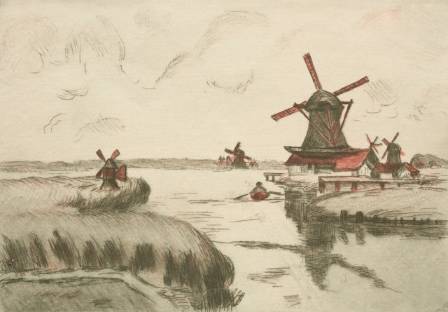
For over six centuries, windmills have been a distinctive feature of European landscapes and a popular subject in art. From their twelfth-century origins to their peak in the mid-nineteenth century, these towering structures captured the imagination of artists across the continent. This article explores how windmills were depicted in European art from 1500-1850, examining their technical evolution, cultural significance, and artistic representation.

AAlexander Morgan
How Do We Launch Things Into Space?

How Do We Launch Things Into Space?

Satellites and spacecraft are sent into space using rockets powered by large amounts of propellant. This fuel provides the energy needed for the rocket to escape Earth’s surface. Due to Earth’s gravitational pull, heavier and larger spacecraft require more powerful rockets and greater quantities of fuel.

EElla Brooks
Western Breakfast Habits

Western Breakfast Habits

Breakfast is widely considered the most important meal of the day, yet what people eat in the morning differs greatly across regions. In Western countries—such as the United States, United Kingdom, Canada, Australia, and much of Europe—breakfast traditions are shaped by history, geography, culture, and modern lifestyles.

VVictoria Adams
Unraveling the Romance: The Evolution of the Red Rose as a Symbol of Love

Unraveling the Romance: The Evolution of the Red Rose as a Symbol of Love

This Valentine's Day, the timeless tradition of bestowing red roses upon one's beloved continues, reinforcing the idea that, amid the vast floral array, the red rose stands unparalleled as the ultimate emblem of love. Inquisitive minds might ponder: Why has this particular bloom transcended centuries to become synonymous with romance? A journey through history unravels the captivating tale.
SSamuel Henry
Traditional Ethnic Clothing Across the Globe

Traditional Ethnic Clothing Across the Globe

The clothes we choose to wear often suit the occasion at hand whether it’s a business meeting, a Sunday hike, or a night out with friends and they can also reflect our mood or give a glimpse of our personality. But clothing is more than just a personal choice; it carries national significance too. Traditional ethnic wear, with roots in specific historical periods, embodies the culture and identity of a particular ethnic group and is frequently tied to social and religious standing. In many parts of the world, Western-style clothing has become common, with traditional garments reserved for special events and festivals. Yet, in places like Bhutan, citizens still wear their ethnic attire in everyday public life.

MMatthew Rogers
8 Chic Headboard Ideas for a Stylin' Bedroom

8 Chic Headboard Ideas for a Stylin' Bedroom

Headboards have evolved from practical draft barriers to stunning focal points that define bedroom aesthetics. These eight creative headboard concepts offer inspiration for transforming your sleeping space into a stylish sanctuary that reflects your personal taste.

OOlivia Martinez
Top 10 Fascinating Facts About Sloths

Top 10 Fascinating Facts About Sloths

Sloths, the iconic slow-moving mammals of the American rainforests, have captivated human curiosity with their unique lifestyles and remarkable adaptations. Far more than just "lazy" creatures, they embody a masterclass in evolutionary strategy, thriving in their habitats through patience, specialization, and symbiosis. Below are 10 intriguing facts that reveal the hidden complexity and charm of these gentle arboreal dwellers.

AArthur
Comprehensive Guide to Designing Your Perfect Home Coffee Station

Comprehensive Guide to Designing Your Perfect Home Coffee Station

Creating a dedicated nook for your morning brew can transform your kitchen into a sanctuary for caffeine enthusiasts. Whether you are an aspiring home barista or simply enjoy a quiet cup of joe, a well-organized coffee bar adds both function and style to your home. Following a major kitchen renovation, I have finally established a permanent coffee area that balances aesthetic appeal with practical utility.

NNoah Alexander Bennett
Cricket Strategy & Tactics: Mastering the Game’s Mental Chess

Cricket Strategy & Tactics: Mastering the Game’s Mental Chess

Cricket is often hailed as a “gentleman’s game,” but beneath its polite exterior lies a fiercely strategic battle of wits, where every decision—from pitch selection to a single delivery—can alter the course of a match. Unlike sports driven solely by athleticism, cricket demands a blend of physical skill, tactical foresight, and adaptability, making it as much a mental contest as a physical one. Whether you’re a player aiming to elevate your team’s performance, a coach crafting game plans, or a fan seeking to deepen your understanding, this guide breaks down the core strategies and tactics that separate good teams from championship-caliber ones. From bowling variations to batting order dynamics, field placements to match situation adaptability, we’ll explore how to outthink opponents, exploit weaknesses, and execute game-winning moves across all formats—Test, One-Day International (ODI), and T20.

BBenjamin