Publisert
Telecommunication Base Station
The role of a base station in modern life is comparable to that of water or electricity. The electromagnetic signals it produces surround us continuously, much like the air we breathe, ensuring that communication signals reach everywhere quickly and reliably, linking our phones to the wider world.
Rowan Pierce
Signatur

The role of a base station in modern life is comparable to that of water or electricity. The electromagnetic signals it produces surround us continuously, much like the air we breathe, ensuring that communication signals reach everywhere quickly and reliably, linking our phones to the wider world.
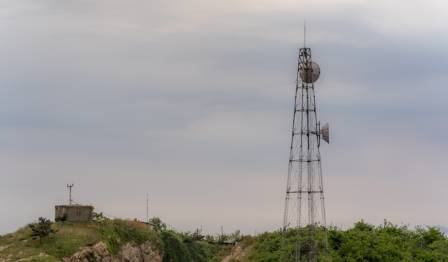
Many people assume that the tall steel tower represents the entire base station. In reality, that structure only supports the antennas and is just one part of a much larger system. A complete base station includes both visible structures and many hidden components working together.
A communication base station is generally made up of several key parts:
Antenna and feeder system: handles transmitting and receiving signals, including antennas and feeder cables;
Radio frequency (RF) unit: generates signals and extracts information, playing a crucial role;
Baseband unit (BBU): processes data and acts as the core processing center;
Support systems: provide infrastructure such as towers, equipment rooms, power supply, and cooling systems.
During the 2G and 3G periods, base stations typically had a two-layer architecture.
With the introduction of 4G LTE, this structure was simplified into a single-layer system known as the eNodeB (eNB).
A typical 4G eNodeB includes the following elements:
Antenna and feeder system: how signals are transmitted
Most base stations do not require specially built towers and are often installed on existing rooftops. The vertical panel-like structures commonly seen on rooftops are antennas. In areas with fewer buildings, dedicated towers may be constructed, with multiple rectangular antennas mounted at the top.
Antennas are responsible for both sending and receiving signals. They direct signals from the RF unit toward mobile devices and can focus electromagnetic waves in specific directions, similar to how a flashlight beam follows a target.
They also capture weak signals from phones and pass them back to the RF unit for processing.
Typically, a base station uses three antennas, each covering about 120 degrees, together forming full 360-degree coverage.
If you look beneath the antennas, you will notice black cables running downward. These are feeder cables, which connect the RF unit to the antennas and carry electromagnetic signals, forming the antenna feeder system.
Following these cables leads to a metallic box located near the antenna—this is the RF unit.
The RF unit, often called the Remote Radio Unit (RRU), is responsible for handling radio signals. It converts data into electromagnetic waves for transmission and receives incoming signals from mobile devices. It also filters interference and extracts useful information before sending it to the baseband unit.
Inside the RRU are multiple modules that can support different communication standards such as 2G, 3G, 4G, and even 5G.
Equipment room: ensuring stable operation
The equipment room supports the entire system and requires several essential resources.
Power is the most critical. Electricity from the grid is converted from AC to DC to supply the equipment. Backup batteries are also installed to maintain operation during power outages.
Transmission equipment connects different parts of the network, ensuring data flow.
Because the room is enclosed and equipment generates heat, cooling systems such as air conditioning are necessary to prevent overheating and maintain proper performance.
Baseband unit (BBU)
Inside the equipment room, there is usually a cabinet containing a compact device with many cables and blinking indicator lights—this is the baseband unit.
The BBU processes digital information. It prepares outgoing data for transmission via the RF unit and antennas, and also handles incoming signals from mobile devices after they pass through the RF unit.
In addition to the BBU, cabinets may also contain power and transmission equipment.
These can be identified easily:
Devices with many red, black, and blue cables are typically power systems;
Equipment with numerous fiber ports, network interfaces, and yellow fiber cables is usually related to data transmission.

Flere anbefalte saker

Master Techniques for Drawing Rice Paddy Landscapes
Capturing the serene beauty of a rice paddy field is a classic exercise in landscape art that combines elements of perspective, reflection, and organic texture. Whether you are illustrating a vast agricultural expanse or a small terraced farm, the key to a successful drawing lies in how you organize the repetitive rows of seedlings and represent the watery surface of the soil. By applying a few fundamental artistic principles, you can create a composition that feels both expansive and grounded in reality.

Comprehensive Guide to Sketching and Painting Sunflowers
This creative project explores the versatile nature of a single floral composition. By replicating the same sunflower sketch using ten different artistic mediums—ranging from traditional crayons and colored pencils to oil pastels and digital graphics—you can clearly observe how each material alters the final aesthetic. This guide provides the foundational sketch instructions followed by specific techniques for acrylics and colored pencils.

Intriguing Historical Facts and Trivia About Vintage Automobiles
While the definition of a "classic" car often sparks debate among motoring enthusiasts, it generally refers to an older vehicle that possesses a significant status or historical value, ensuring it is preserved rather than scrapped. Sharing knowledge is a cornerstone of the collector community. To enhance your next conversation with fellow fans, here are several fascinating details about the history and development of the automobile.

Top 10 Vintage Cars Every Enthusiast Should Know
Top 10 Vintage Cars Every Enthusiast Should Know

Fundamentals of Paper Sculpture: A Guide to Origami Animals
Origami, the traditional Japanese practice of transforming paper through folding, has evolved into a globally cherished hobby suitable for enthusiasts of all ages. While certain designs involve high levels of complexity, the craft offers numerous accessible entry points for those just beginning their journey. With nothing more than a perfectly square sheet of paper, you can produce charming representations of cats, frogs, and foxes.

How to Draw a Crystal Ball
Learn to create a beautiful crystal ball drawing with this easy step-by-step guide. Using simple tools and approachable techniques, you can produce an eye-catching and magical illustration suitable for any skill level.

Unraveling the Romance: The Evolution of the Red Rose as a Symbol of Love
This Valentine's Day, the timeless tradition of bestowing red roses upon one's beloved continues, reinforcing the idea that, amid the vast floral array, the red rose stands unparalleled as the ultimate emblem of love. Inquisitive minds might ponder: Why has this particular bloom transcended centuries to become synonymous with romance? A journey through history unravels the captivating tale.

The World’s Most Remarkable Mountains to Climb
Mountain climbing represents one of the most challenging yet rewarding forms of adventure travel. Beyond the physical demands, each ascent offers cultural insight, natural beauty, and a deeper appreciation of Earth’s geography. The following twelve peaks, located across several continents, illustrate the variety and richness of the world’s climbing destinations.

7 Delightfully Endearing Qualities That Men Appreciate in Women
If your friends often describe you as innocent, don't perceive it as an insult. You don't have to be a wild partygoer to capture a man's attention. In fact, many men find innocence incredibly appealing in a woman. Here are seven charmingly endearing traits that most men admire in women.

Famous Bird Paintings
Across centuries, painters have shown a deep fascination with birds and other animals. These creatures often appear in major art movements such as Impressionism, Naturalism, and Romanticism, where they serve as central subjects rather than background details.