Publisert
How to Draw a Crystal Ball
Learn to create a beautiful crystal ball drawing with this easy step-by-step guide. Using simple tools and approachable techniques, you can produce an eye-catching and magical illustration suitable for any skill level.
Henry Ford
Signatur
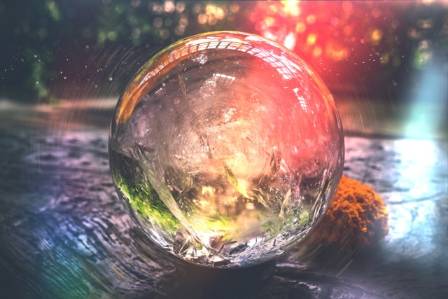
Learn to create a beautiful crystal ball drawing with this easy step-by-step guide. Using simple tools and approachable techniques, you can produce an eye-catching and magical illustration suitable for any skill level.
Crystal balls have long been linked to mystery, fortune-telling, and the unknown. Their flawless spherical form, along with the way they reflect and bend light, makes them an exciting subject for artists. Practicing how to draw one helps improve key artistic skills such as shading, rendering transparency, and capturing reflections. Whether you’re interested in mystical themes or simply want to improve your ability to draw realistic objects, this subject offers both challenge and enjoyment.
At first, drawing a crystal ball may seem difficult because it requires careful attention to light and shadow to achieve a glass-like effect. However, by breaking the process into simple stages, it becomes much more manageable. This guide walks you through constructing the basic shape, building depth, and adding highlights and reflections. Techniques like blending, layering graphite, and adjusting contrast will help you achieve a convincing, lifelike result. With practice, you can create artwork that feels both realistic and enchanting.
If you’ve been curious about drawing a crystal ball that looks vivid and magical, this tutorial is a great starting point. Gather your materials, stay patient, and enjoy the creative process. Every artist begins with basic forms, and this is your step toward mastering them.
Materials Needed
Before starting, prepare the following:
Drawing paper or a sketchbook
Pencil such as HB or 2B
Eraser
Ruler
Compass or any round object like a lid
Fine-tip pen or marker
Colored pencils or markers if you want to add color
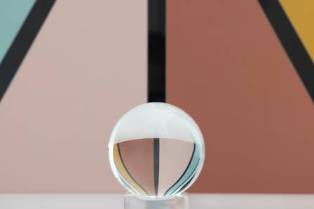
Step 1: Draw the Base
Begin by sketching a straight horizontal line near the lower part of your page using a ruler. This line will serve as the base for the crystal ball.
Step 2: Outline the Sphere
Using a compass or a circular object, draw a neat circle resting on the base line. This forms the main body of the crystal ball. Take your time to ensure the shape is even and balanced.
Step 3: Create Depth
Inside the circle, draw a smaller curved shape positioned slightly lower. This inner curve suggests thickness and gives the illusion of a three-dimensional surface.
Step 4: Build the Support
From each end of the base line, draw vertical lines downward. These will act as supports for the stand.
Step 5: Shape the Stand
Sketch two lines that angle inward toward the center beneath the ball. Connect them with a gently curved line to form the top of the stand.
Step 6: Add Details to the Stand
Enhance the stand by adding vertical lines for legs and optional decorative patterns or engravings to give it more character.
Step 7: Refine the Sphere
Erase part of the inner shape to create a clean, transparent look. Then lightly draw a few diagonal lines across the surface to suggest reflections.
Step 8: Add Highlights
Decide where your light source is coming from. Use the eraser to lift graphite in those areas, forming soft highlights. Keep edges subtle for a natural appearance.
Step 9: Ink the Drawing
Once satisfied with your sketch, trace over the lines with a fine pen or marker. Work carefully to maintain smooth and confident strokes.
Step 10: Apply Color if Desired
If you choose to add color, use light tones to preserve the glass effect. Gradual shading and soft transitions will enhance the sense of depth and transparency.
Conclusion
You’ve now completed your crystal ball drawing. By following these steps and adding your own creative touches, you can produce artwork that feels both magical and realistic. Don’t hesitate to experiment with different styles and variations. With continued practice, your skills will grow, and your drawings will gain even more depth and brilliance.
Flere anbefalte saker

5 Steps to Elevate Your Exhibits with Realistic Figures
Transform your exhibits into immersive experiences with our customizable realistic figures, designed to embody a lifelike human presence. Whether you need assistance selecting the perfect model or wish to explore various options, we are here to help.

Telecommunication Base Station
The role of a base station in modern life is comparable to that of water or electricity. The electromagnetic signals it produces surround us continuously, much like the air we breathe, ensuring that communication signals reach everywhere quickly and reliably, linking our phones to the wider world.

The Secrets of the Pink Bird: Surprising Flamingo Discoveries
Beyond their vivid rose-colored plumage, flamingos are among the most distinct and specialized avian species on the planet. From their unique nesting habits to their remarkable physiological adaptations, these birds thrive in environments that would be inhospitable to most other creatures. Understanding the biology and behavior of the flamingo reveals a story of survival, complex social structures, and a highly specialized diet.
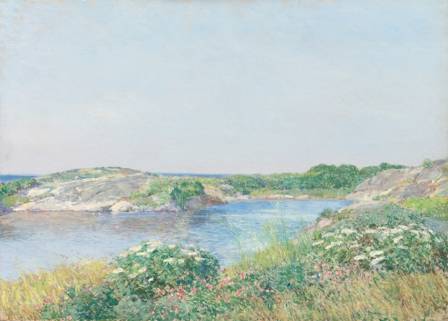
7 Distinct Styles of Landscape Painting Through Art History
Landscape painting has long fascinated artists, offering a canvas to explore the natural world's richness and emotion. Over time, various styles have emerged, each bringing its own perspective and method of representing the environment. Here’s a closer look at seven notable forms of landscape painting, highlighting how artists have interpreted nature in diverse and imaginative ways.

Essential Facts and Characteristics of the House Sparrow
The House Sparrow is one of the most widespread and resilient avian species in the world. Originally native to Eurasia and Northern Africa, these birds have expanded their territory alongside human civilization, successfully inhabiting every continent on Earth with the exception of Antarctica. Their presence is so closely linked to human activity that a low sparrow population in a specific area almost always reflects a sparse human population as well.

The Most Essential 6: Why Trees Deserve Your Gifting Consideration
Trees are more than decorations for our world; they are lifelines. From cleaning our air to cooling our cities, shaping watersheds to hosting countless species, trees sustain life and improve well-being. This piece distills six key roles trees play in ecosystems and human life, and explains why giving trees as gifts can be a meaningful, lasting gesture.

Top 7 Health Benefits of Pomegranates You Should Know
Pomegranates are a delicious and nutritious fruit that has gained popularity worldwide for its numerous health benefits. This red, round fruit is filled with edible seeds, known as arils, that are bursting with flavor and packed with health-promoting compounds. Pomegranates are low in calories, yet high in essential nutrients like fiber, vitamins, and minerals. From supporting heart health to boosting exercise endurance, the health benefits of pomegranates are extensive and well worth exploring. Here are seven key reasons to include pomegranates in your diet.

5 Simple Ways to Create Your Own Cozy Corner at Home
In today’s fast-paced world, we all need a peaceful space to unwind and take a break from the constant hustle. Creating a cozy corner at home is one of the easiest ways to carve out a retreat where you can relax and recharge. This cozy nook can be tucked into any available space in your home, whether it's in a quiet corner of your living room, a nook in your bedroom, or even an underused space like a staircase landing. The best part is that you don’t need to completely redesign your space; with a few thoughtful touches, you can turn any area into your own personal sanctuary.

Six Colour Pairings That Work Beautifully With Blue
From deep navy shades that almost read as black to pale blues that verge on white, blue exists across an incredibly wide spectrum of colour.
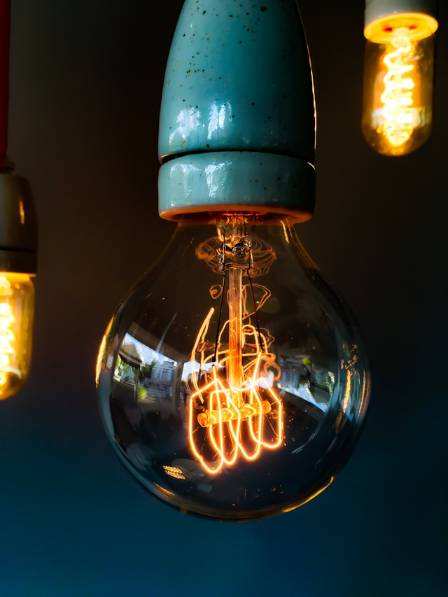
The First Spark in a Lab
The history of modern civilization is impossible to tell without the story of electric light. From Thomas Edison’s early experiments in a New Jersey lab to the highly efficient LEDs that illuminate our world today, the journey of lighting technology is not just about invention—it’s about transformation. A single spark in a lab more than a century ago marked the beginning of a new era. This article explores how that first spark led us from dim filaments to the glowing future of LED lighting.